Concept Design
"Great design doesn't begin with furniture or finishes. It begins with a single idea."
Every successful project begins long before a single material is selected or a line is drawn. It begins with an idea.
Concept design is the creative foundation of every project. It is the stage where imagination, experience and innovation come together to explore possibilities without limitation. Before colours, finishes or furniture are considered, the concept establishes the vision, character and narrative that will ultimately define the space.
Throughout my career I have believed that great design is not simply about producing beautiful interiors—it is about solving problems creatively and giving every project its own unique identity.
Today, advances in digital visualisation and emerging technologies allow concepts to be explored more freely than ever before. Ideas can be tested, refined and communicated with extraordinary clarity, enabling clients to experience a project long before construction begins. These technologies do not replace creativity; they enhance the designer's ability to communicate it.
Whether designing a luxury residence, a commercial environment, a landscape or an exhibition, concept design provides the confidence to make informed decisions before significant investment is made. It reduces uncertainty, encourages collaboration and ensures that every design decision supports the original vision.
For me, concept design is where creativity is at its purest.
It is the moment when there are no constraints - Only possibilities.
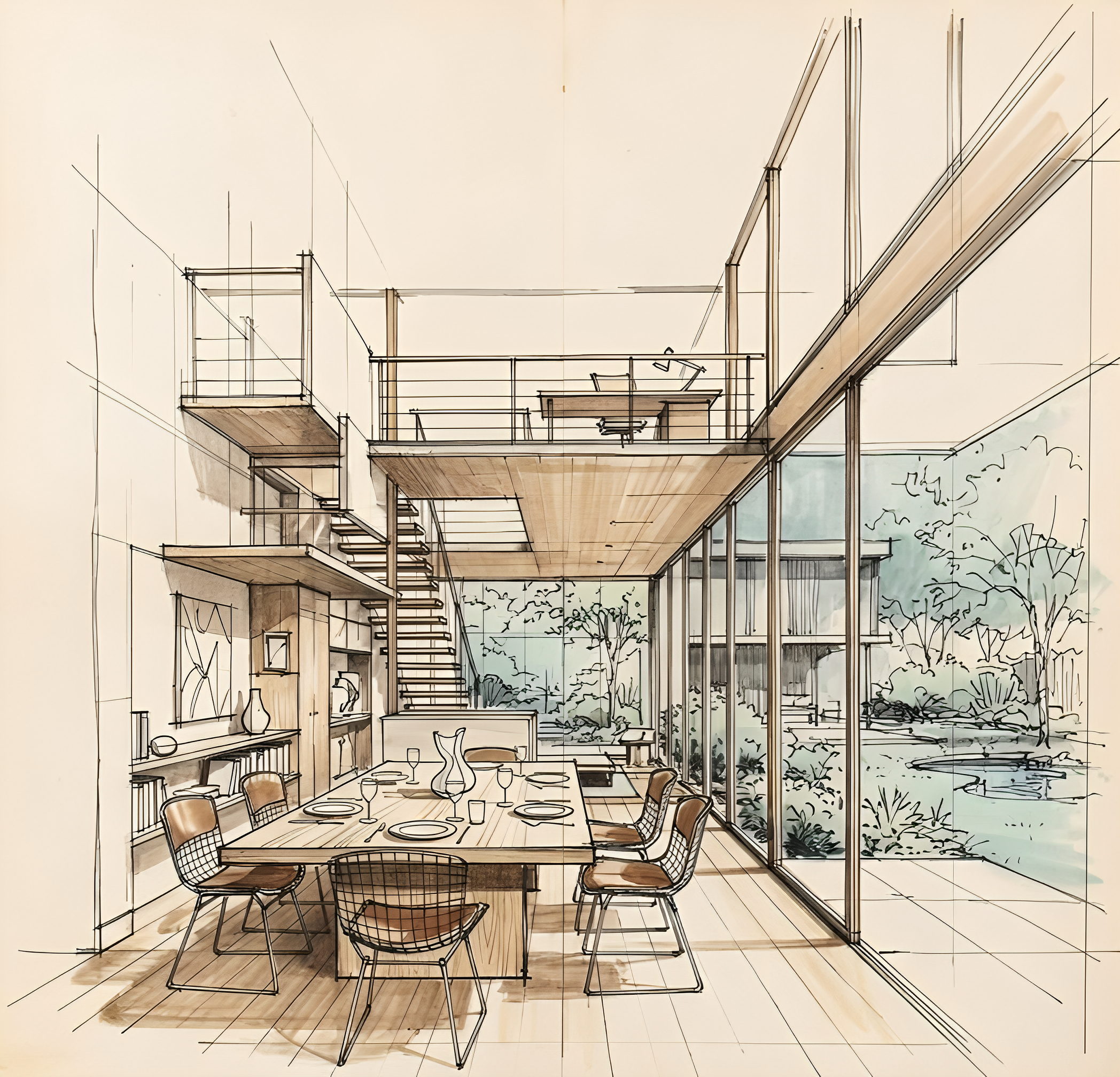
Sketching a Concept
Every successful project begins with an idea.
Long before technical drawings, material specifications or construction details are developed, there must be a clear vision. Concept design is the stage where imagination, creativity and experience come together to explore possibilities, solve problems and establish the identity of a project.
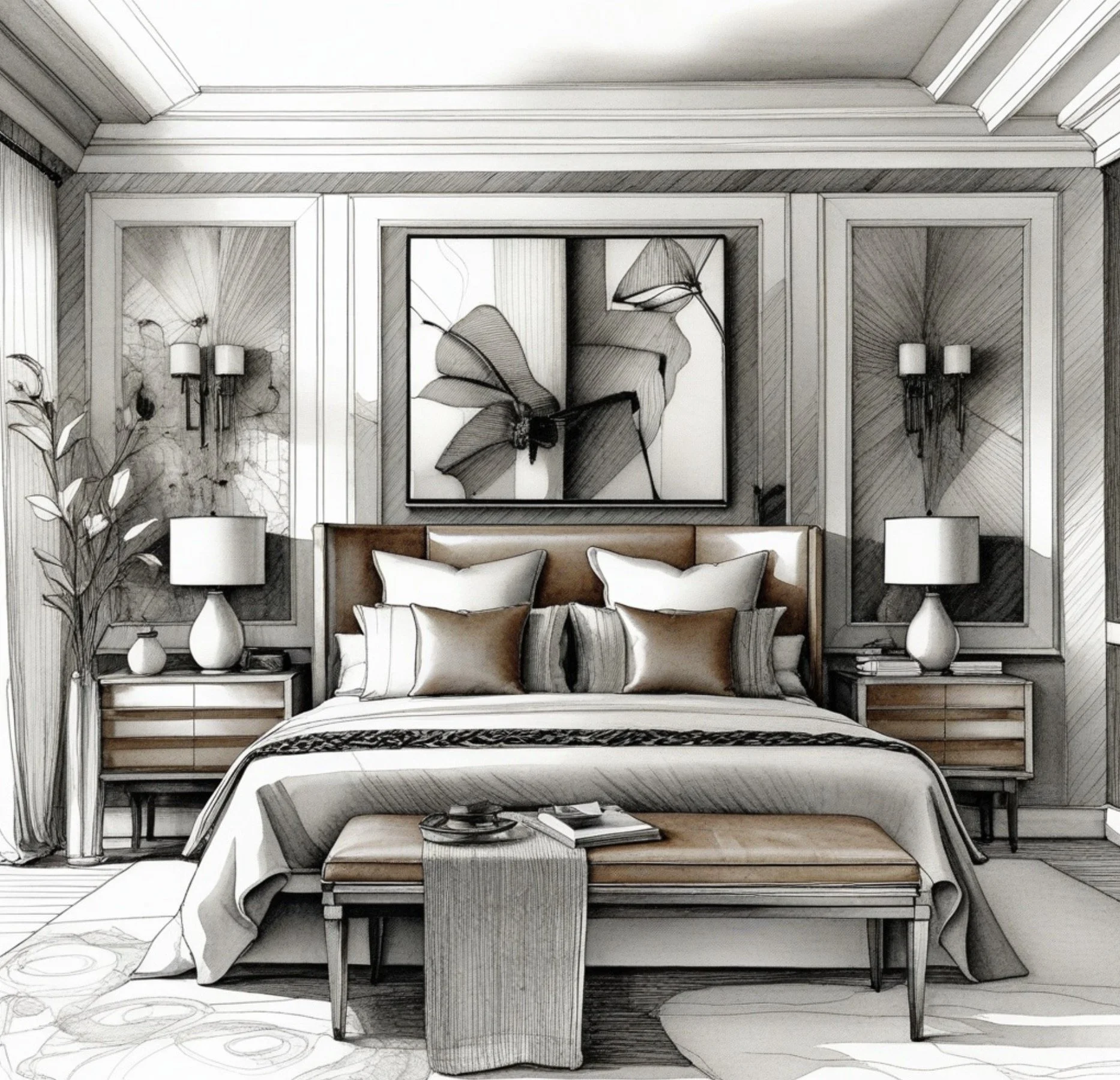
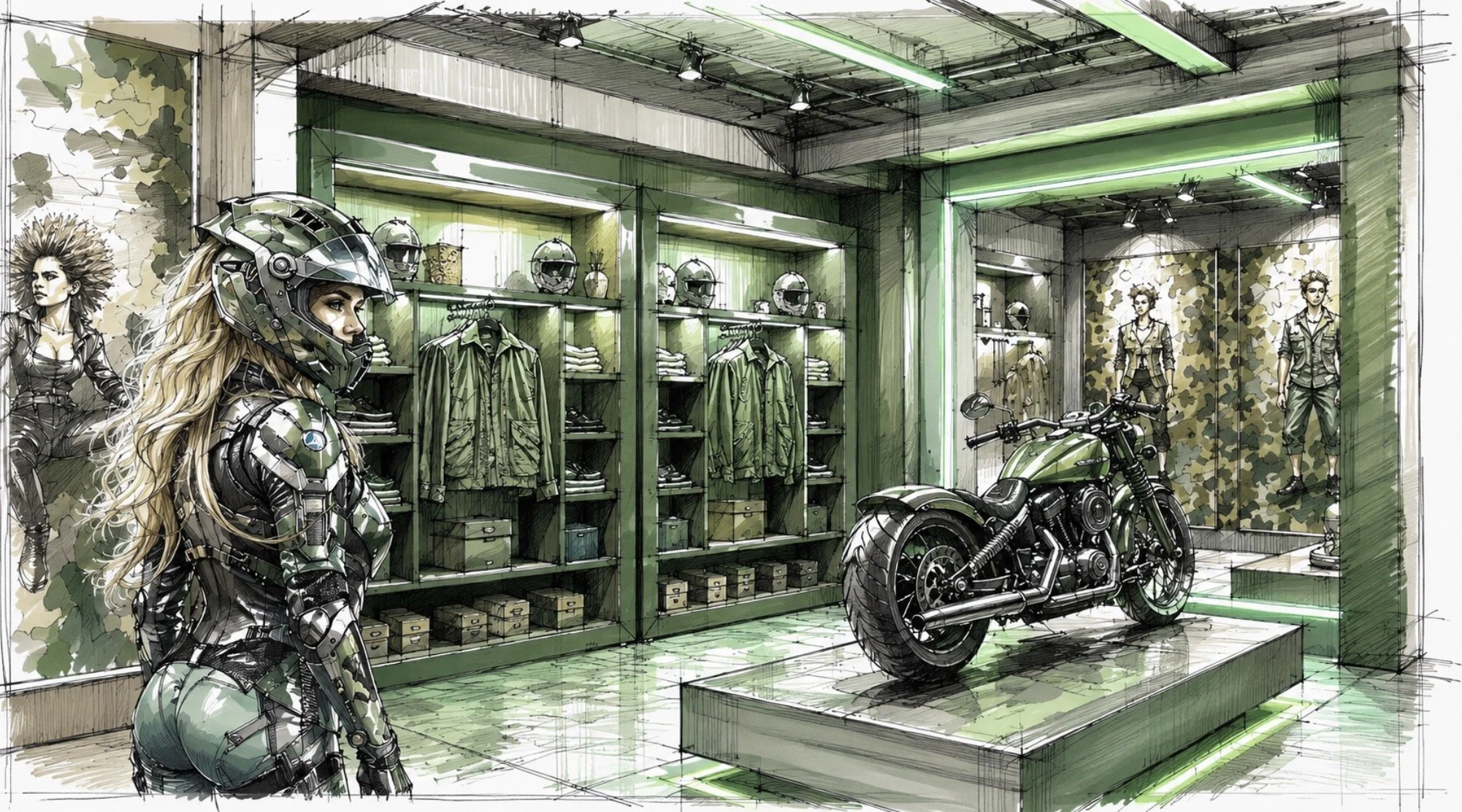
For me, sketching remains one of the most powerful design tools. A quick hand sketch can communicate atmosphere, proportion, movement and spatial relationships in a way that no specification or written brief ever can. It allows ideas to evolve naturally, encourages experimentation and provides the freedom to explore multiple solutions before committing to a final direction.
Whether working with pencil and paper, digital sketching, 3D modelling or AI-assisted visualisation, the objective remains the same—to transform an abstract thought into something that clients can immediately understand and become excited about.
Concept visualisation bridges the gap between imagination and reality. It enables clients to experience a project before it is built, allowing design decisions to be refined with confidence and ensuring that every subsequent stage of the process is founded on a clear and compelling vision.
For over forty years, this ability to visualise ideas has remained at the heart of my design process. While the tools continue to evolve, the fundamental skill has never changed: seeing the finished project before the first line is drawn or the first brick is laid.
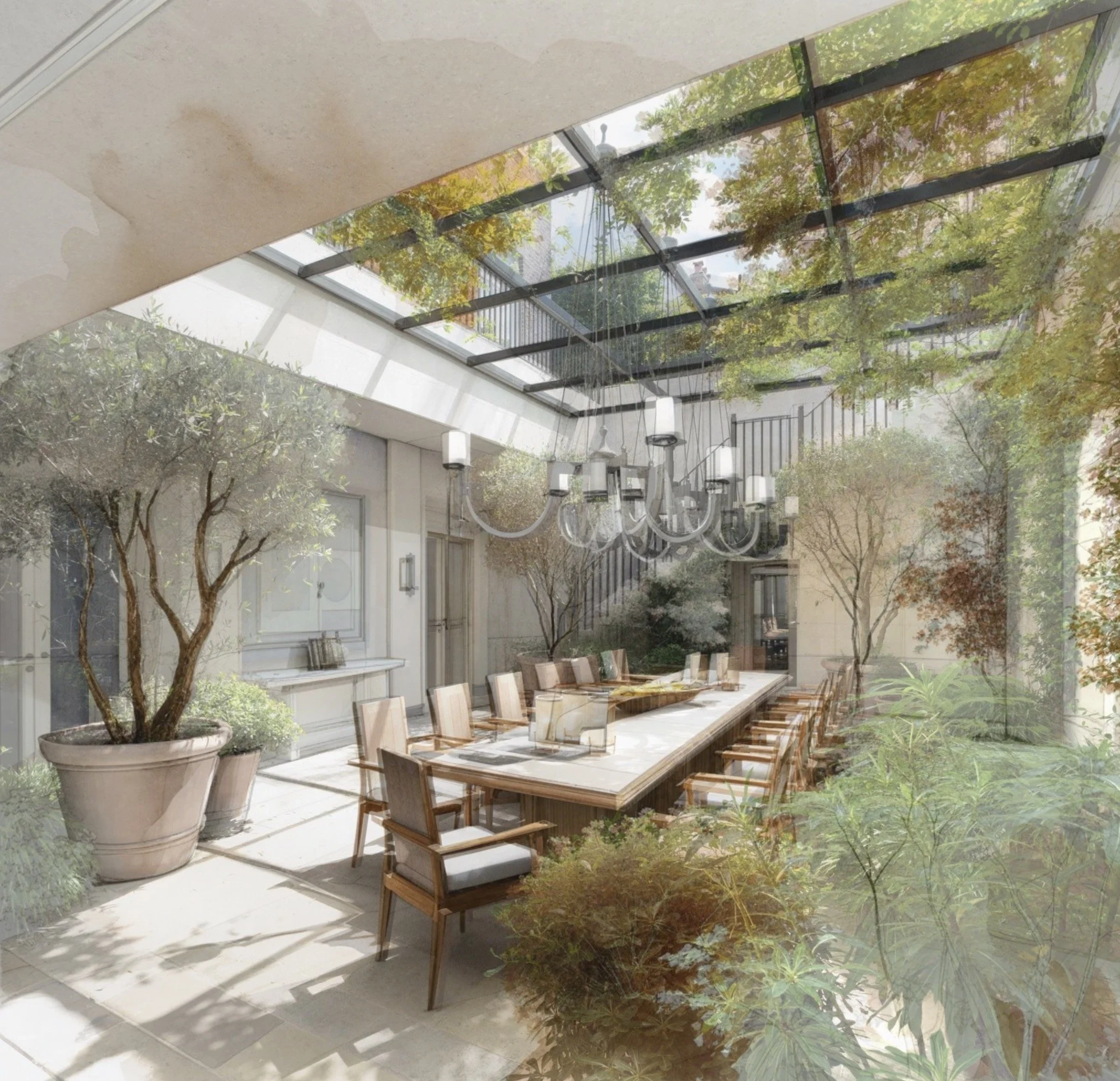
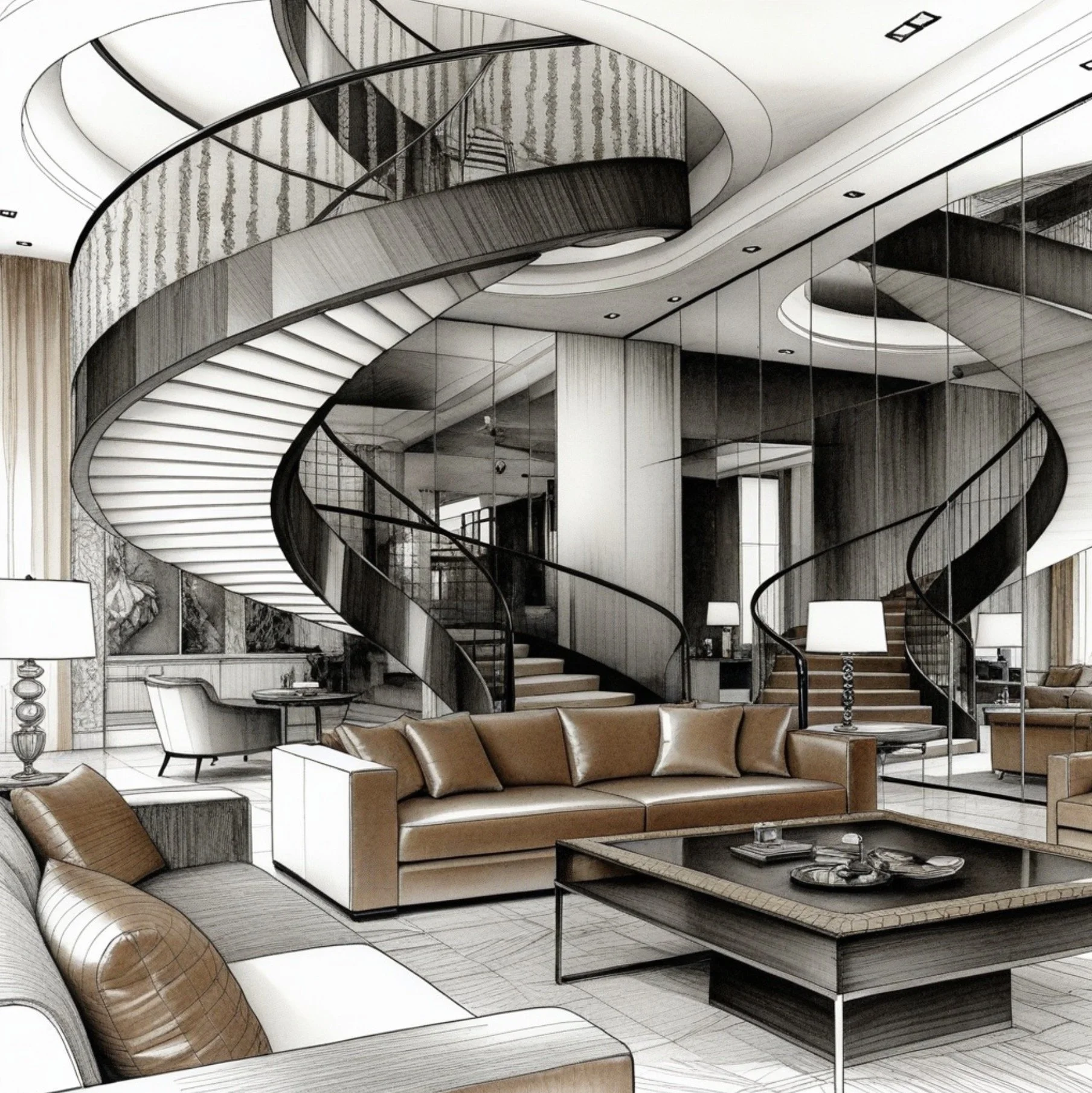
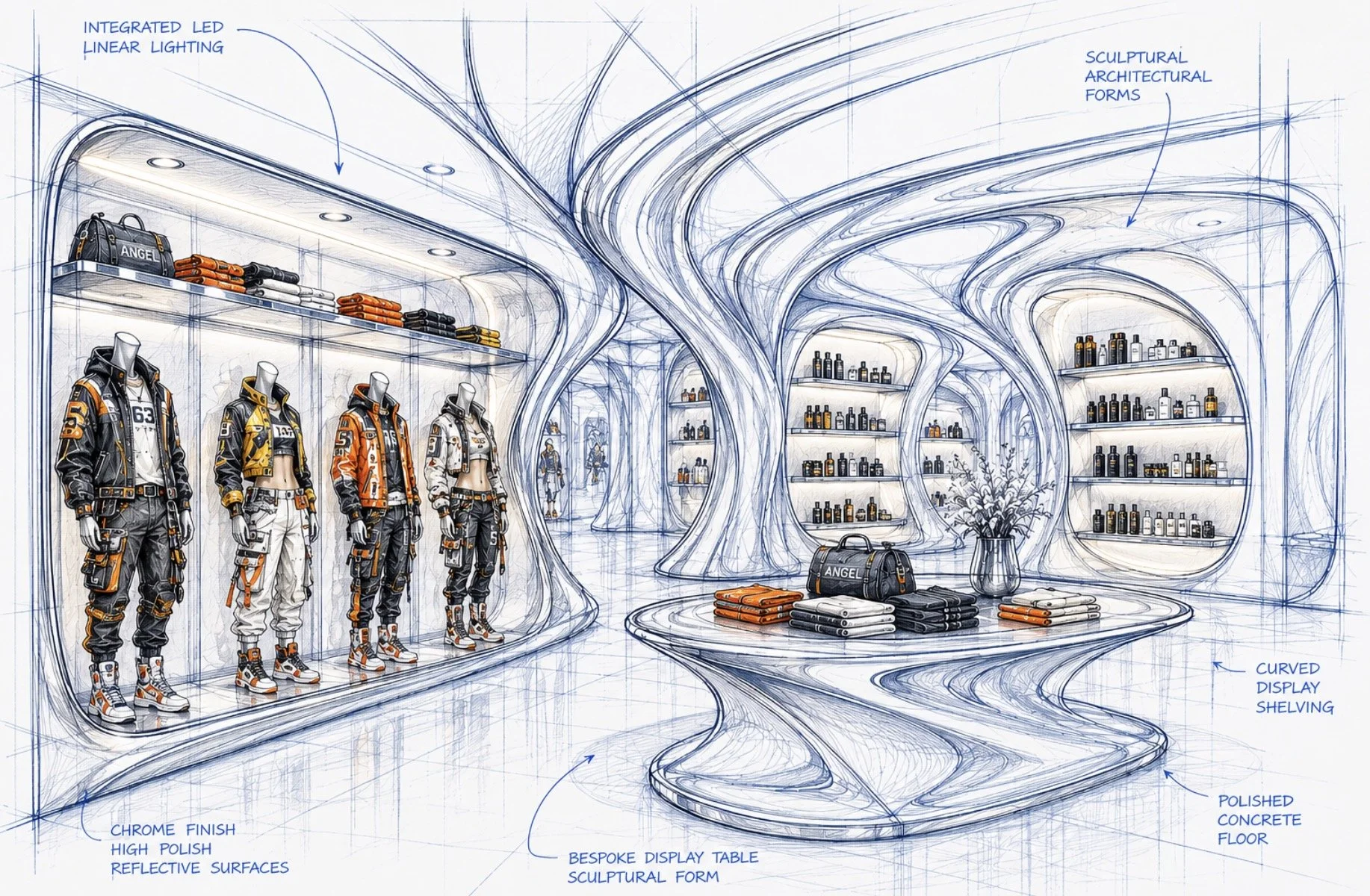
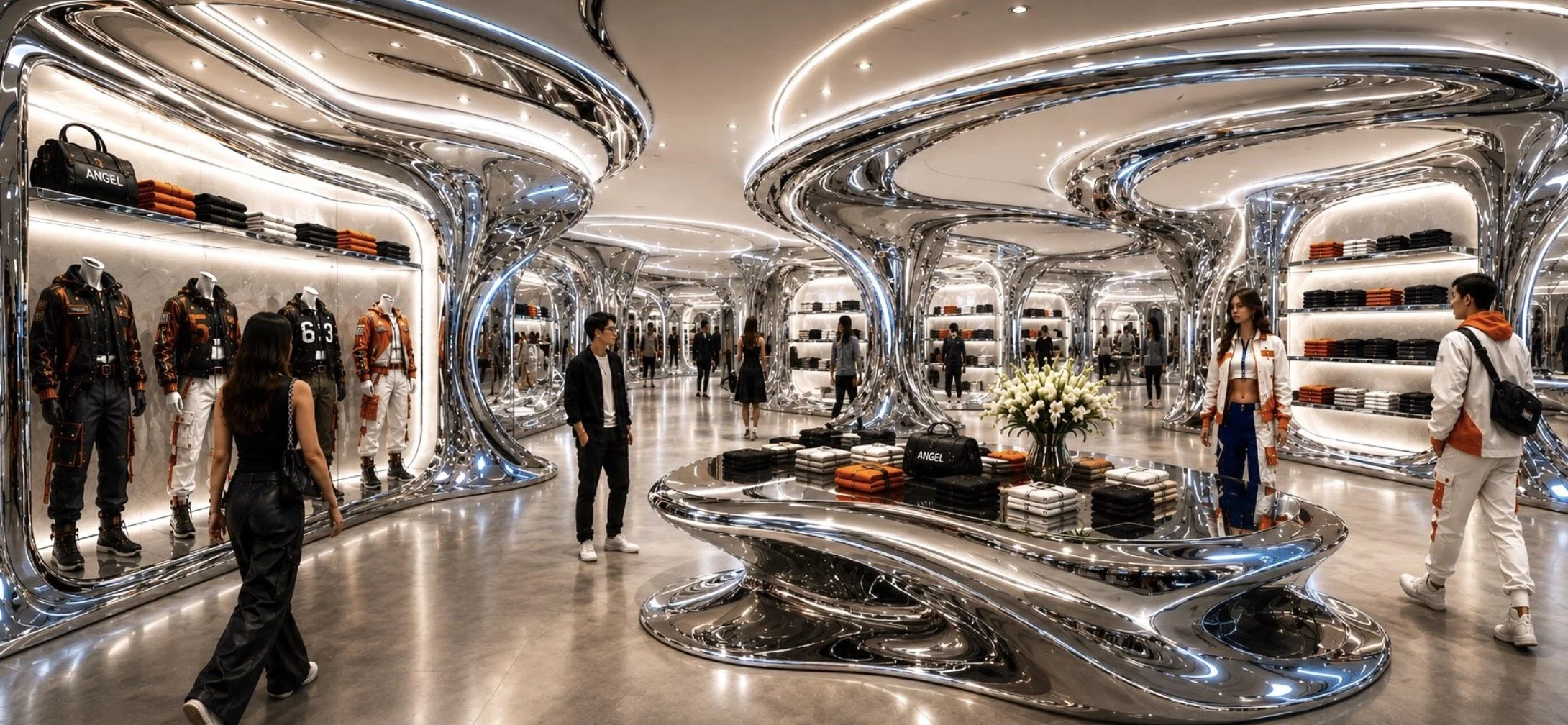
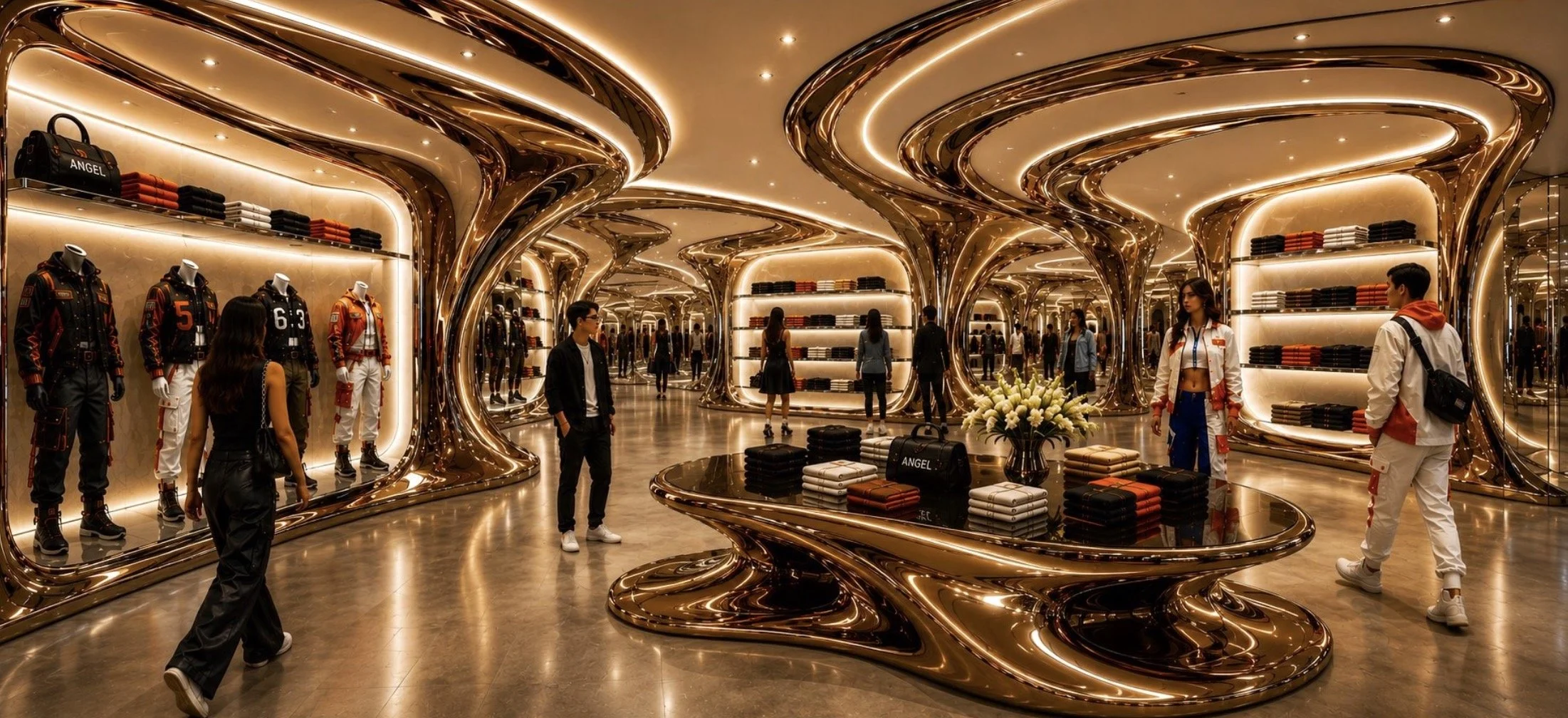
Once the concept has been established, detailed three-dimensional visualisation allows ideas to come to life.
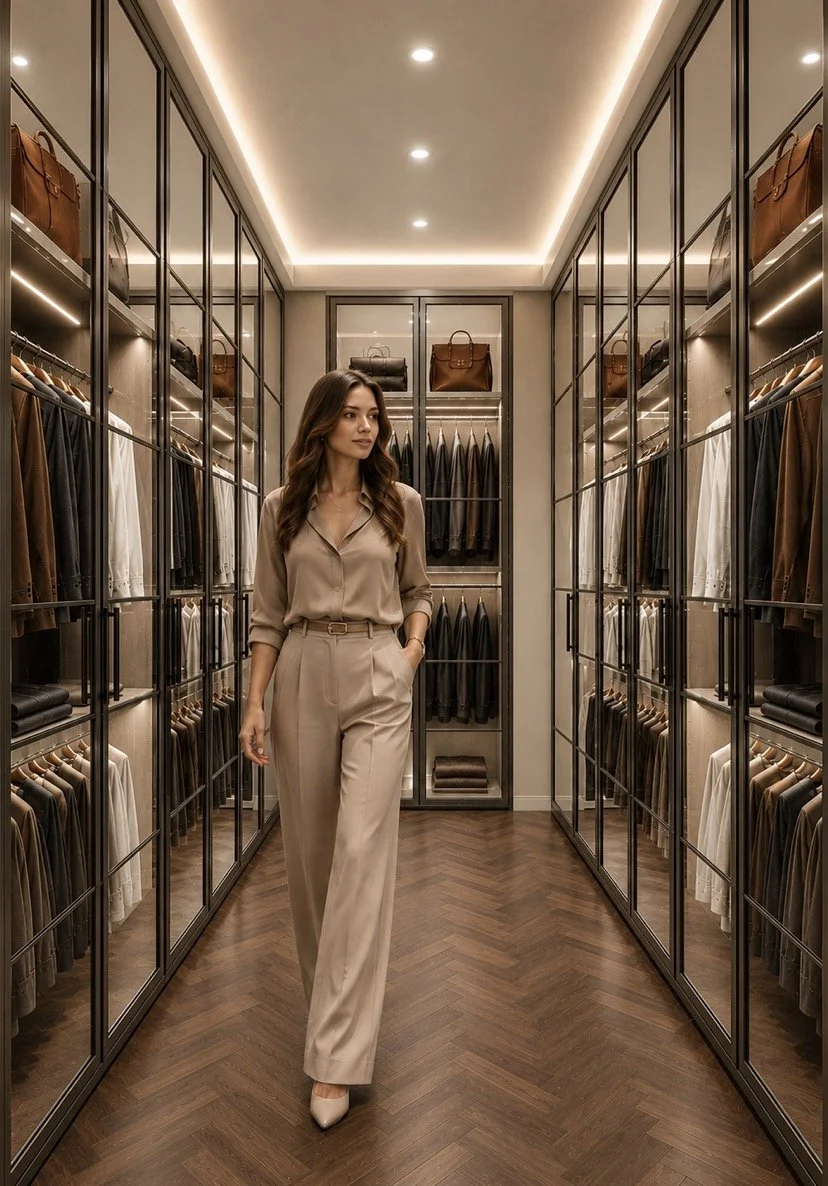
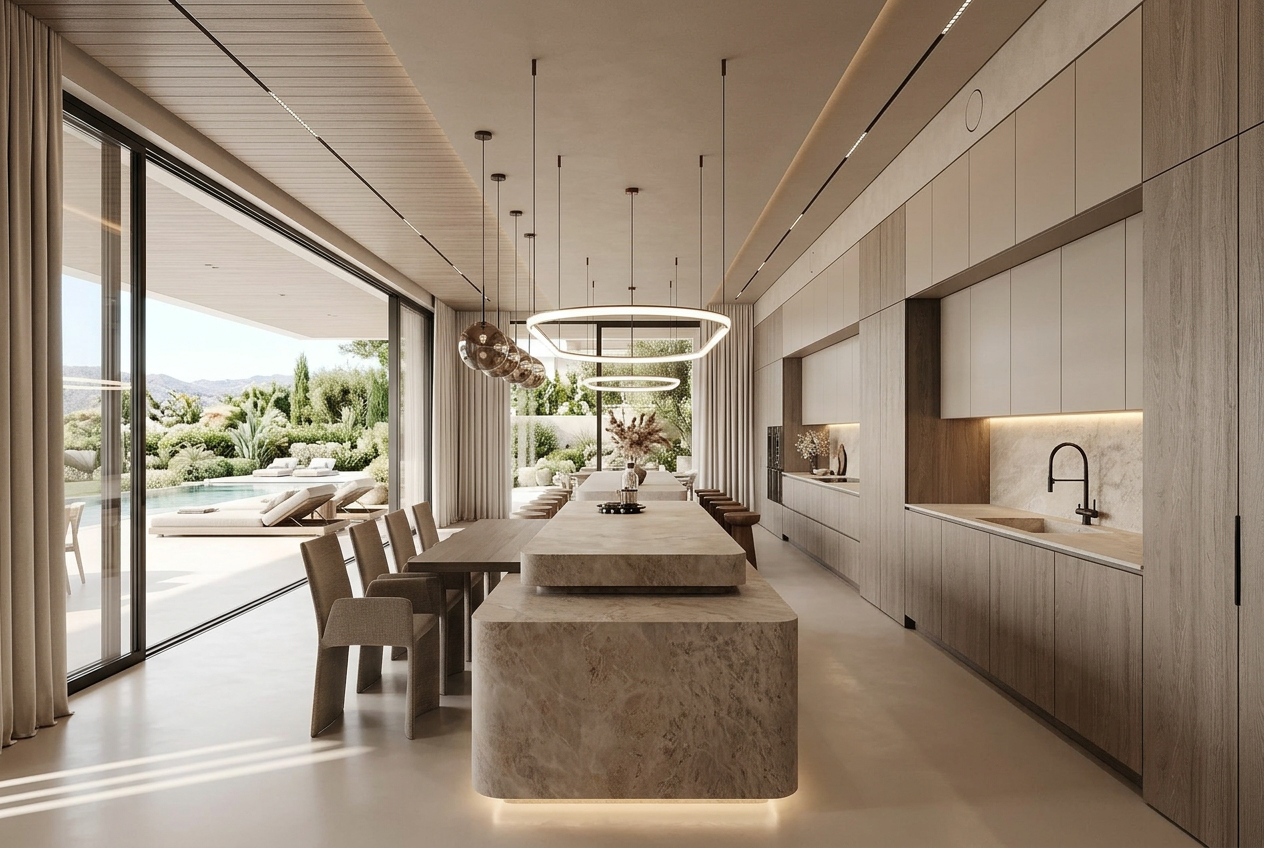
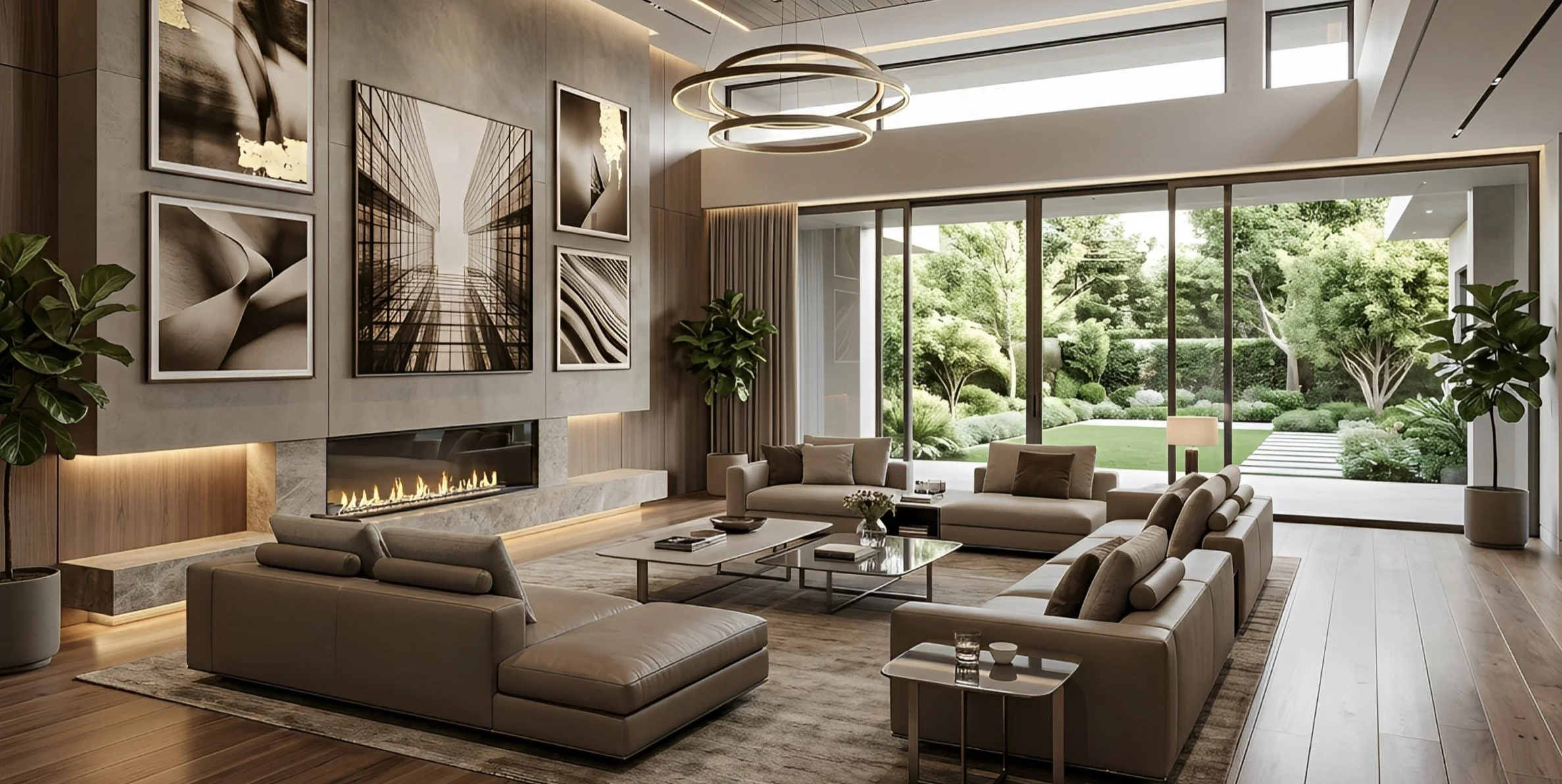
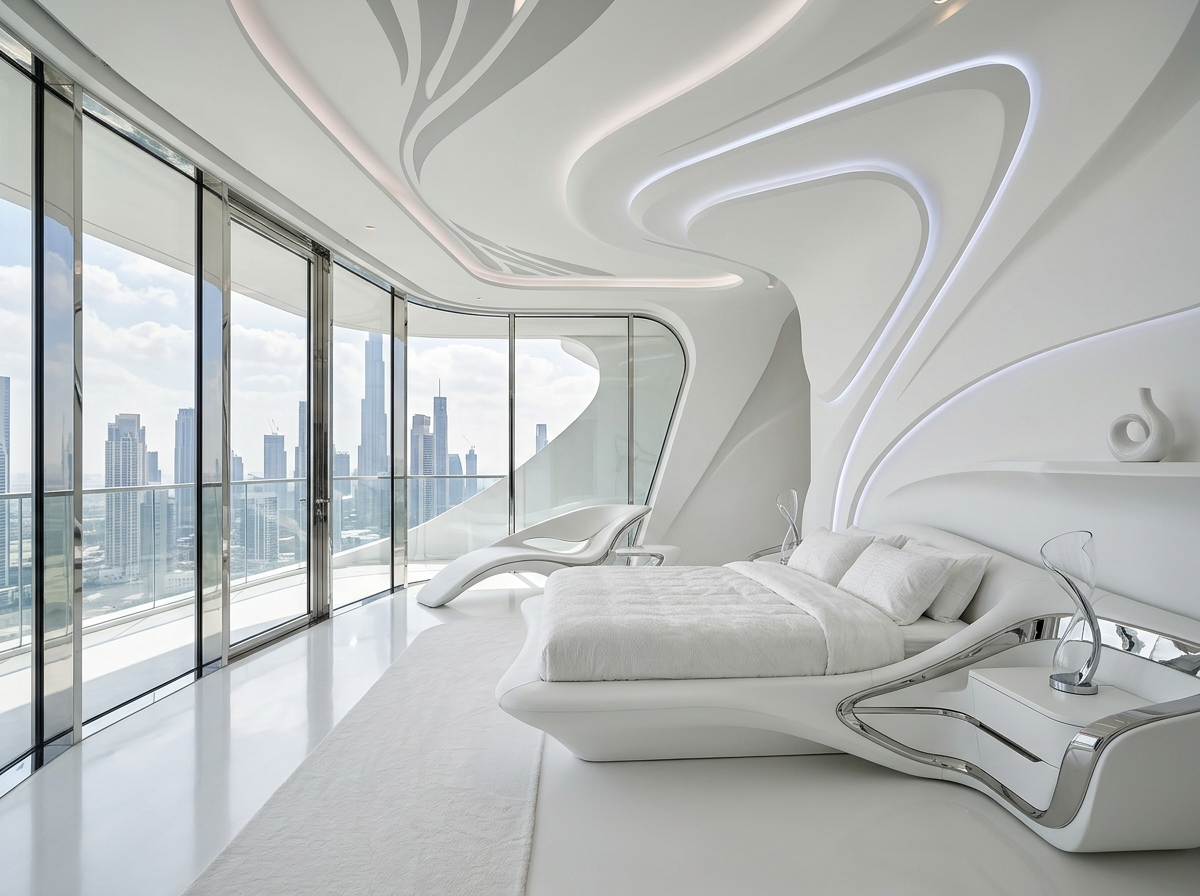
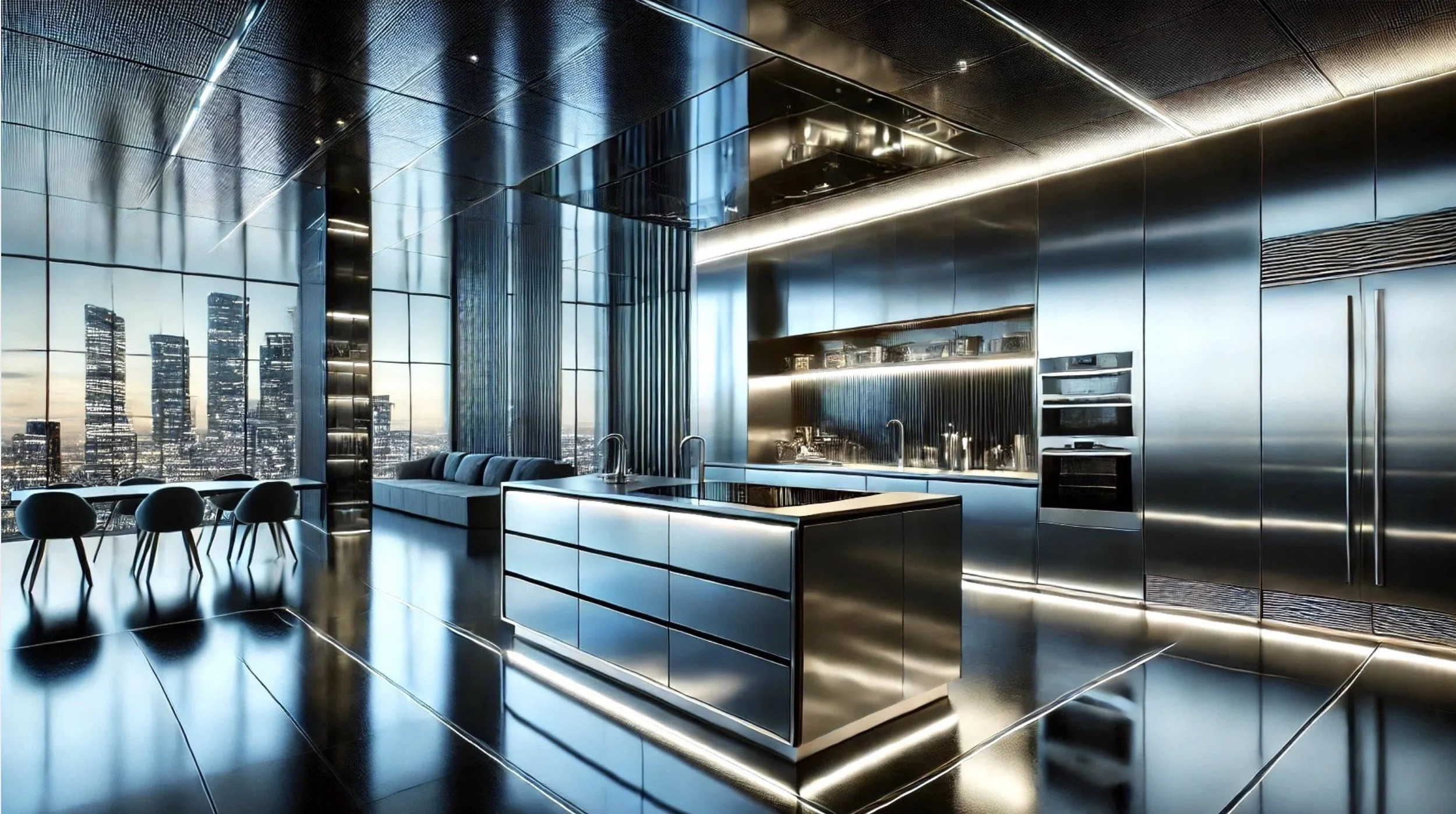
Photorealistic renders bridge the gap between imagination and construction, enabling clients to experience a project long before work begins on site. Materials, lighting, colour palettes, furniture, architectural features and landscaping can all be explored and refined with confidence, ensuring that every design decision contributes to the overall vision.
High-quality visualisation also provides an invaluable communication tool. Clients, consultants and contractors are able to fully understand the proposed scheme, reducing uncertainty and creating a shared understanding throughout the design process. Rather than interpreting technical drawings, clients can see exactly how their future home, commercial space or landscape will look and feel.
Today's visualisation technology extends far beyond still images. We also produce fully animated walk-throughs and fly-throughs, allowing clients to move naturally through their proposed spaces, experience changing viewpoints, appreciate spatial relationships and understand how natural and artificial light will interact throughout the day. This immersive approach provides an exceptional level of confidence before construction begins.
Whether presenting a contemporary residence, a luxury interior, a commercial environment or a conceptual design, the objective is always the same—to transform ideas into compelling visual experiences that inspire confidence and support informed decision-making.
3D Visualisation
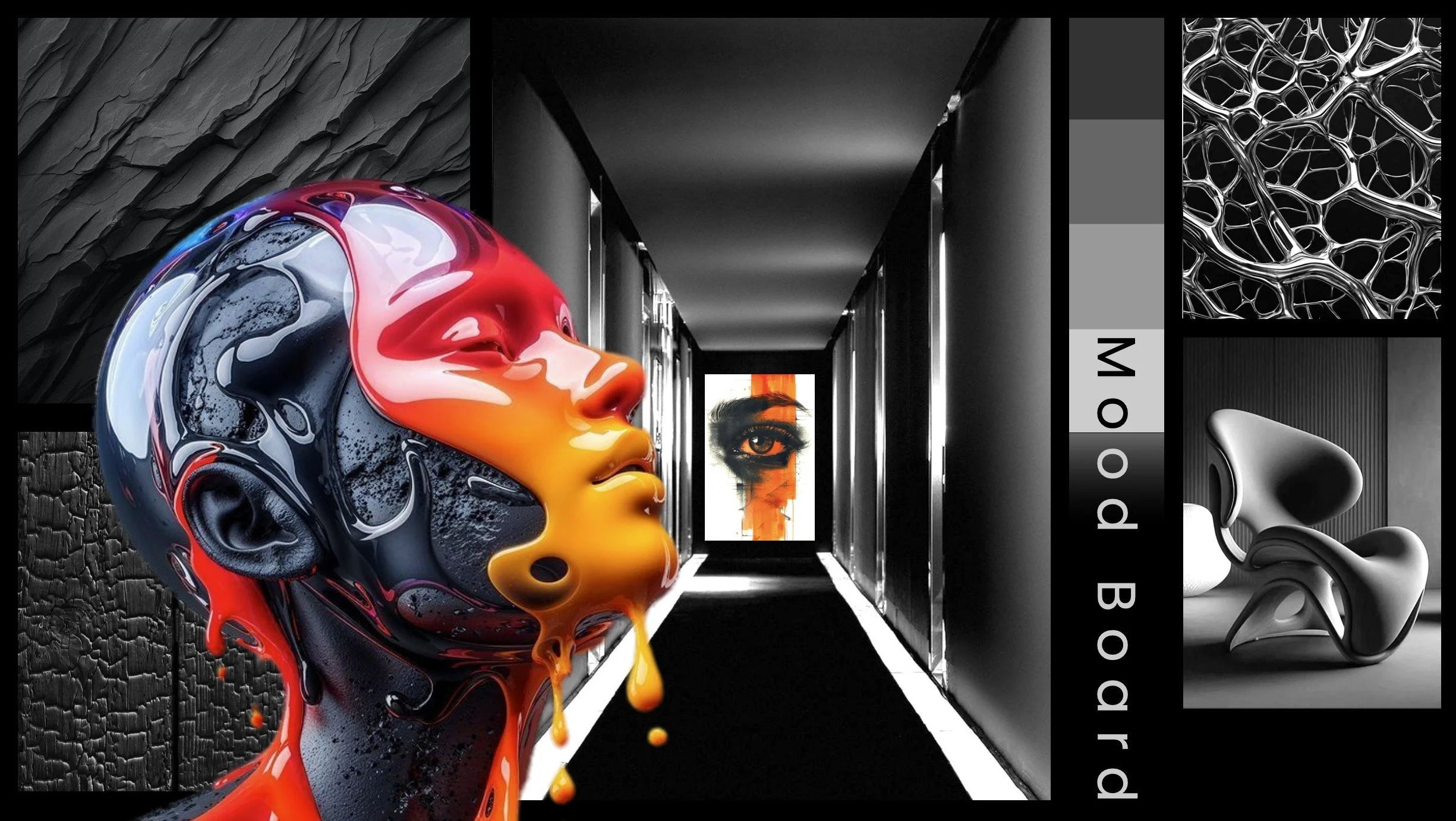
Creating a Theme
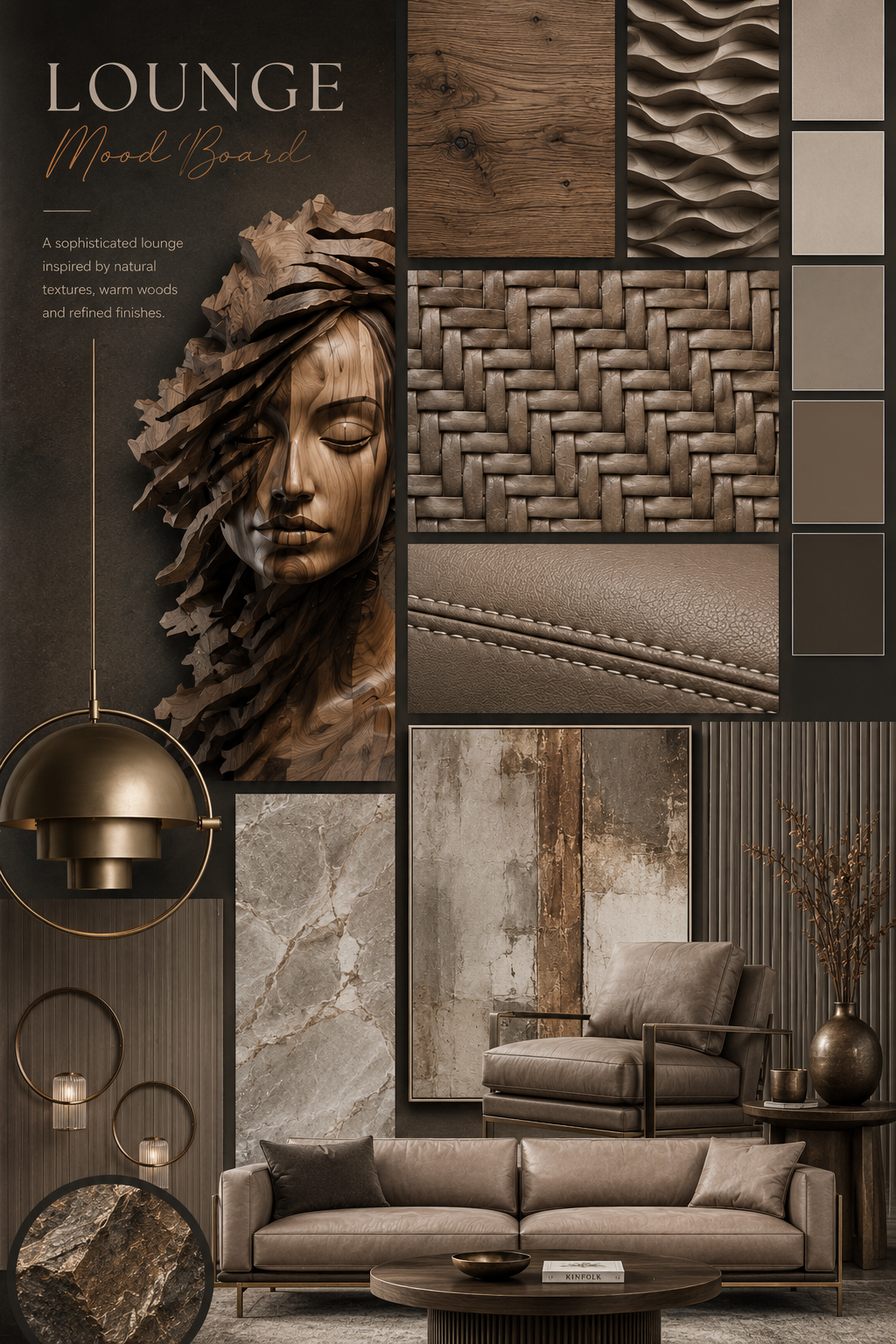
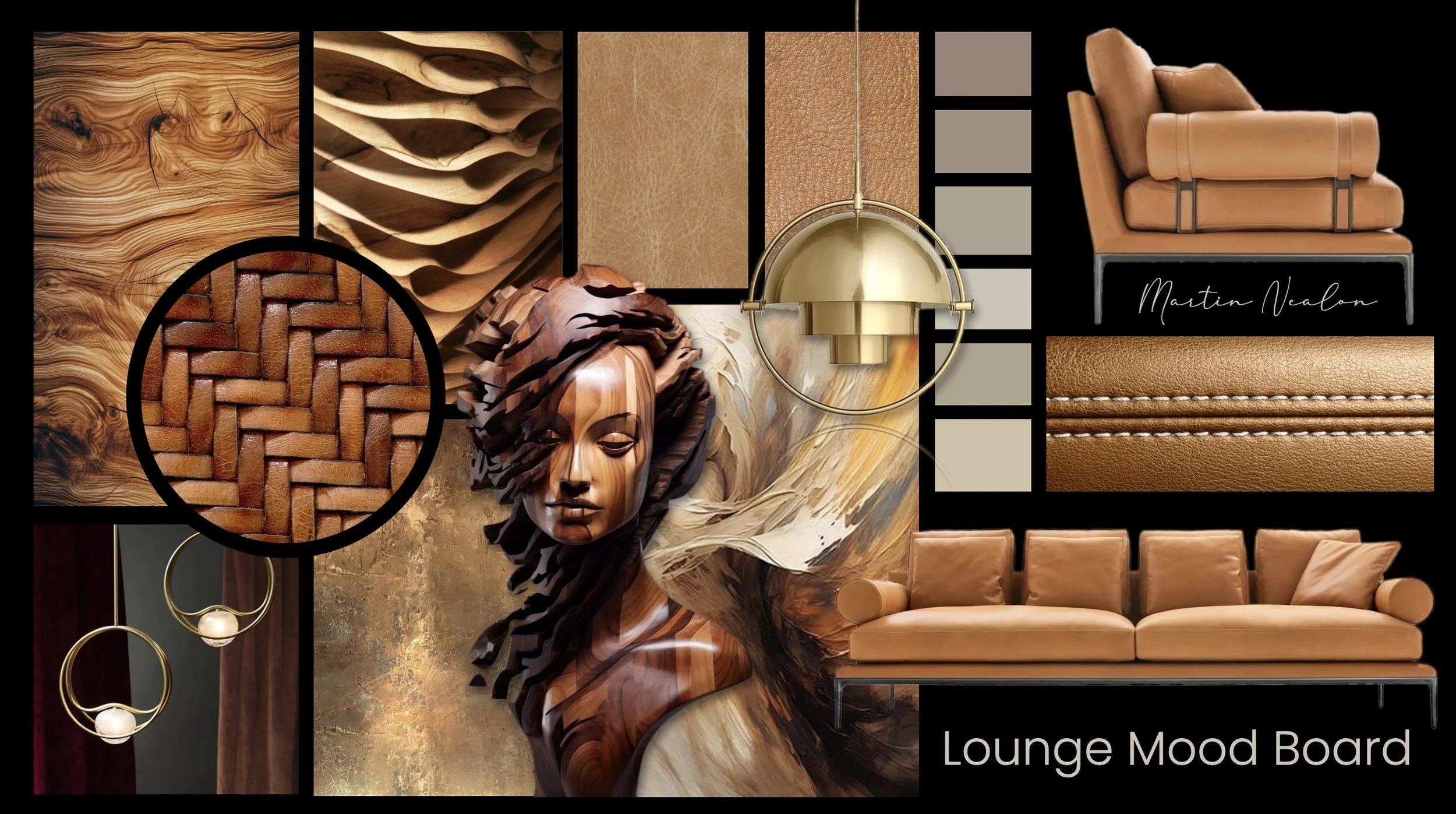
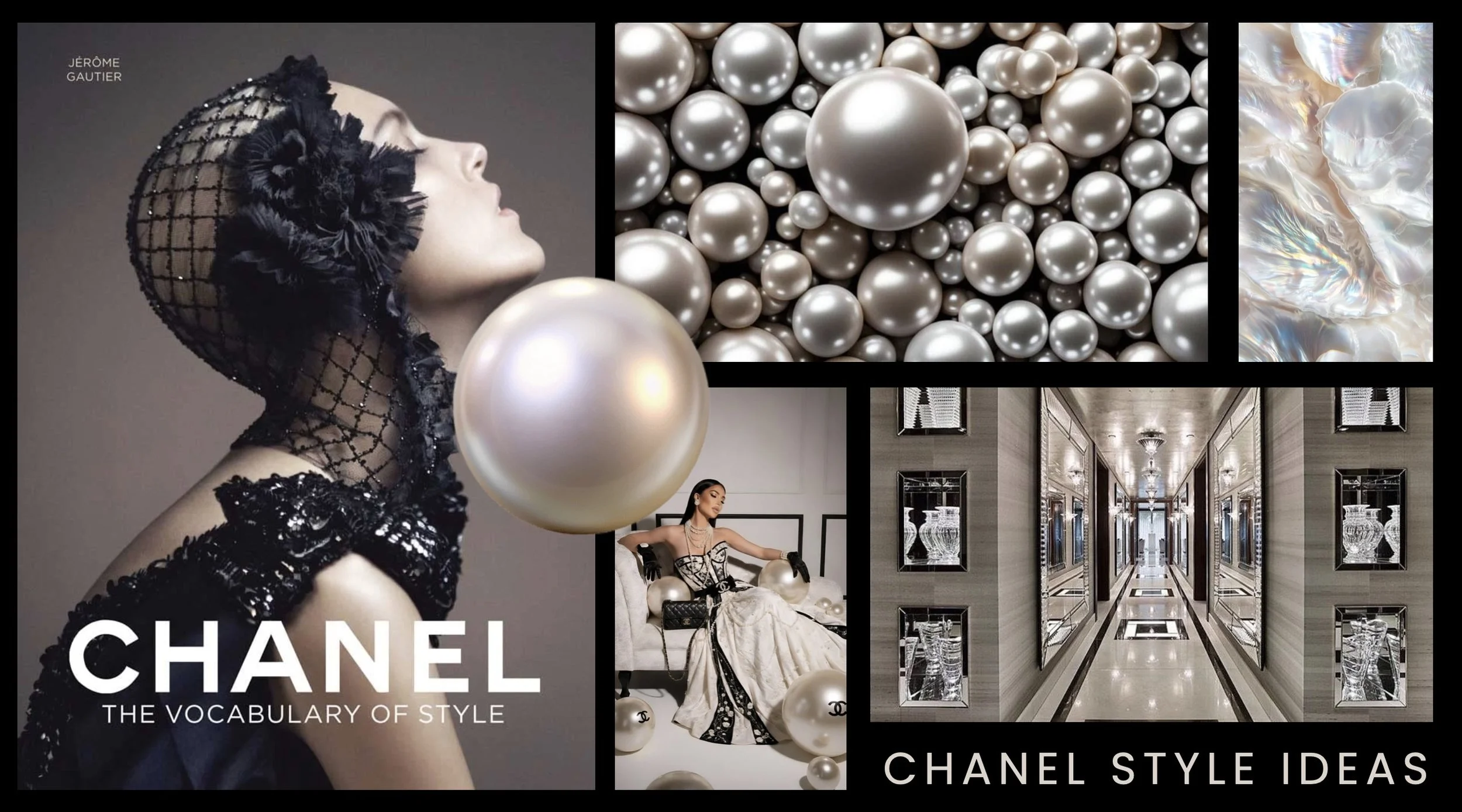
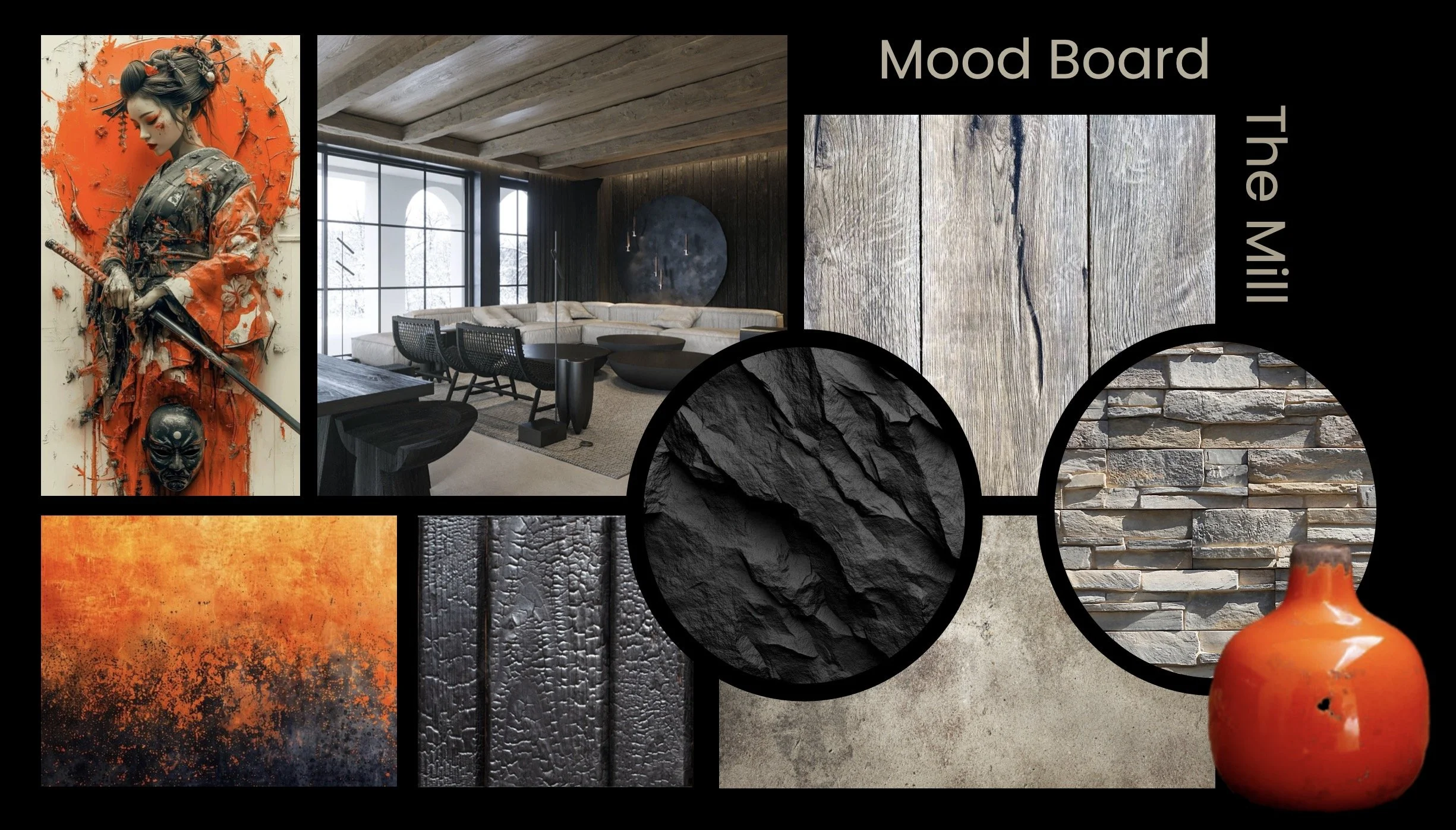
Every successful design begins with inspiration. Mood boards are an essential part of the creative process, transforming abstract ideas into a clear visual language that guides the project from concept to completion.
Rather than focusing on individual products or finishes, a mood board establishes the atmosphere, character and emotional direction of a scheme. Through carefully selected imagery, materials, textures, colours, furniture, lighting and architectural references, it communicates the intended experience of a space long before detailed design work begins.
Mood boards also provide an invaluable communication tool between designer and client. They encourage discussion, refine aspirations and ensure that everyone shares the same vision before significant time and investment is committed to the design process. This collaborative approach reduces uncertainty and creates a strong creative foundation for the project.
Each mood board is uniquely developed to reflect the client's personality, lifestyle and aspirations. Whether creating a contemporary residence, luxury hotel, commercial environment or bespoke hospitality project, the objective is always the same—to establish a coherent design language that informs every subsequent decision.
Today, mood boards have evolved far beyond traditional cut-and-paste presentations. By combining hand-selected imagery, digital resources and AI-assisted concept generation, it is now possible to explore multiple creative directions quickly while maintaining a strong design narrative. These tools allow ideas to be tested, refined and communicated with greater clarity, enabling clients to engage with the creative process from the very beginning.
Mood Boards