Landscape Design
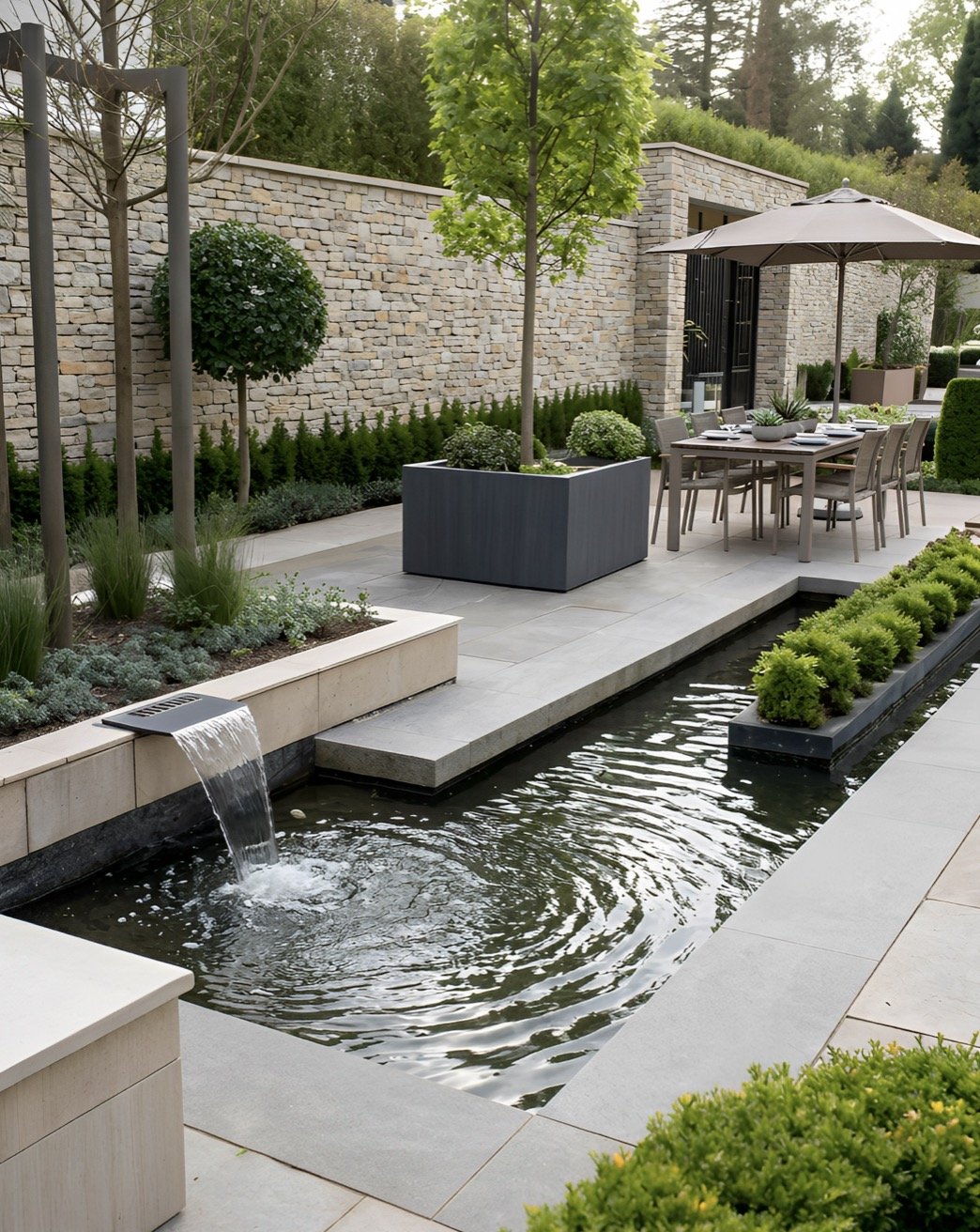
The relationship between a home and its garden has evolved dramatically in recent years. Outdoor spaces are no longer viewed simply as gardens; they have become true extensions of the home—places for entertaining, relaxing, dining, working and spending time with family throughout the year.
For this reason, I believe interior and landscape design should never be considered in isolation. When both are designed together, spaces flow naturally from inside to outside, creating a seamless transition that enhances the overall experience of the home.
By carefully considering architecture, levels, materials, planting, lighting and sightlines as a single composition, it is possible to achieve continuity, harmony and functionality across the entire property. The result is a home where interior and exterior spaces complement one another, sharing a common design language and creating a stronger sense of place.
Whether designing a contemporary courtyard, a country estate or an urban garden, my aim is always the same—to create outdoor environments that feel like natural living spaces, extending the architecture beyond the walls of the house and enriching the way people live every day.
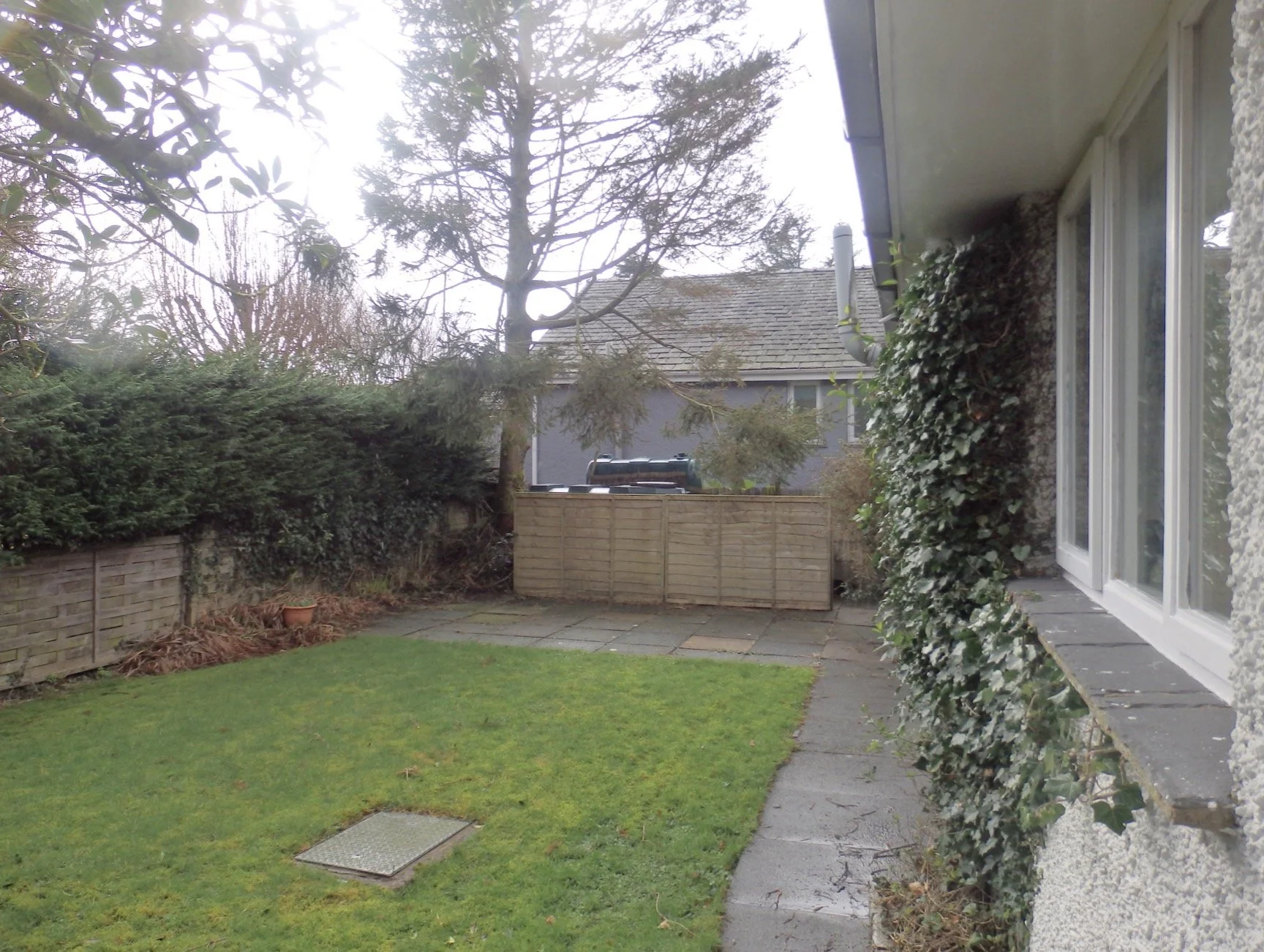
Existing rear garden before renovation
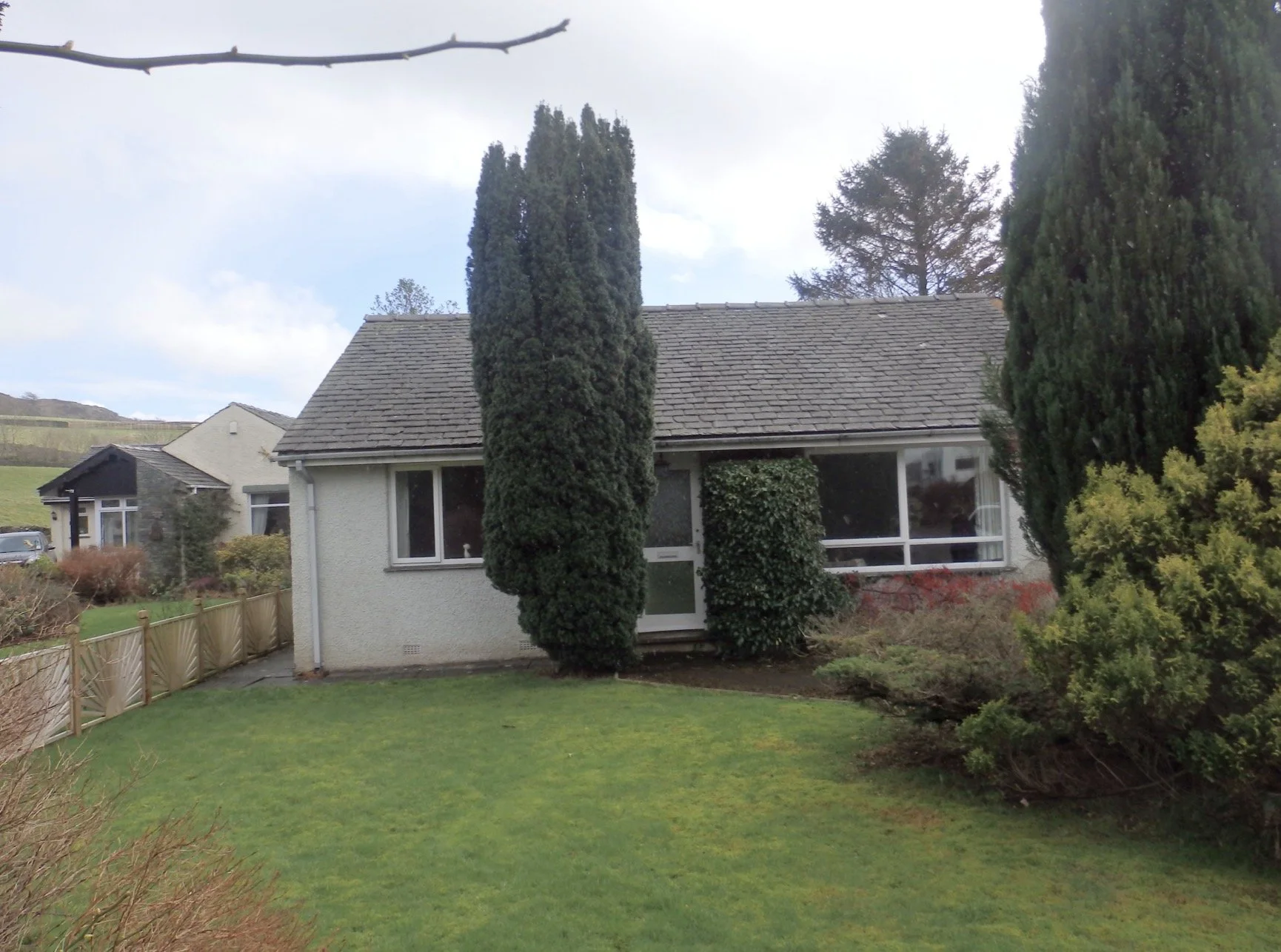
Existing front garden before renovation
Architectural & Landscape Transformation
This project involved the complete transformation of a tired 1960s bungalow that had lost much of its original character. While the property occupied an excellent plot, both the architecture and landscaping no longer reflected the quality or potential of the home.
The existing front and rear gardens consisted of little more than lawn, overgrown planting and disconnected outdoor spaces, providing limited visual impact and almost no relationship with the house itself.
Our approach was to redesign the property as a complete composition, considering the architecture, landscape and external living spaces together rather than as separate elements. The building underwent a sensitive architectural restoration with contemporary extensions, new glazing and carefully selected natural materials that respected the original structure while creating a modern family home.
The landscape design was developed alongside the architecture to create a seamless transition between inside and outside. New entrance gardens establish a strong sense of arrival, while the rear garden was reimagined as a series of functional outdoor rooms for entertaining, relaxation and year-round living. Careful planting, lighting, terraces and architectural detailing combine to create a cohesive environment that extends the living space beyond the walls of the house.
The result is a complete transformation, demonstrating how thoughtful architectural renovation and integrated landscape design can unlock the hidden potential of an existing property and create a home that is both contemporary and timeless.
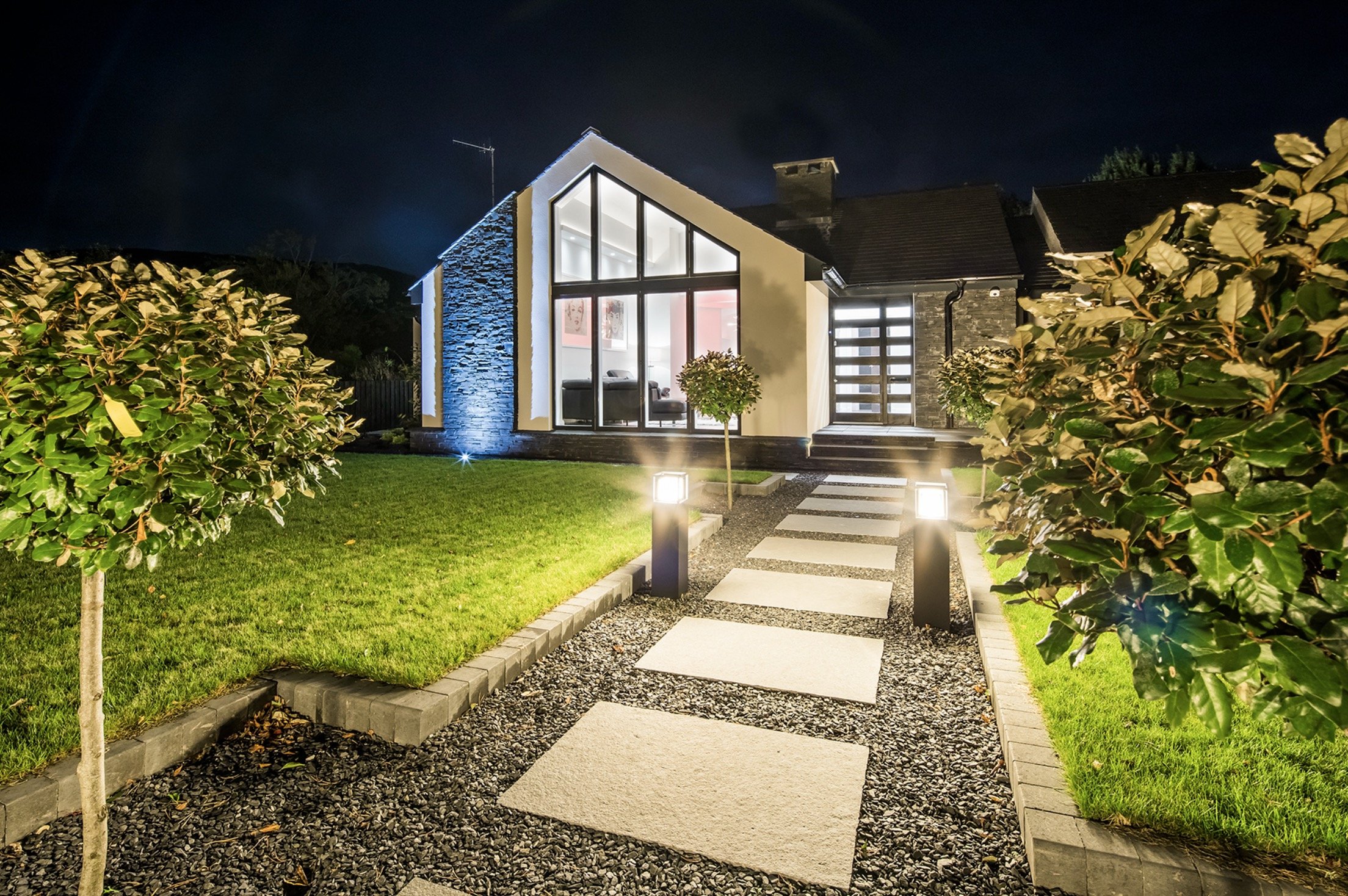
Renovated front garden
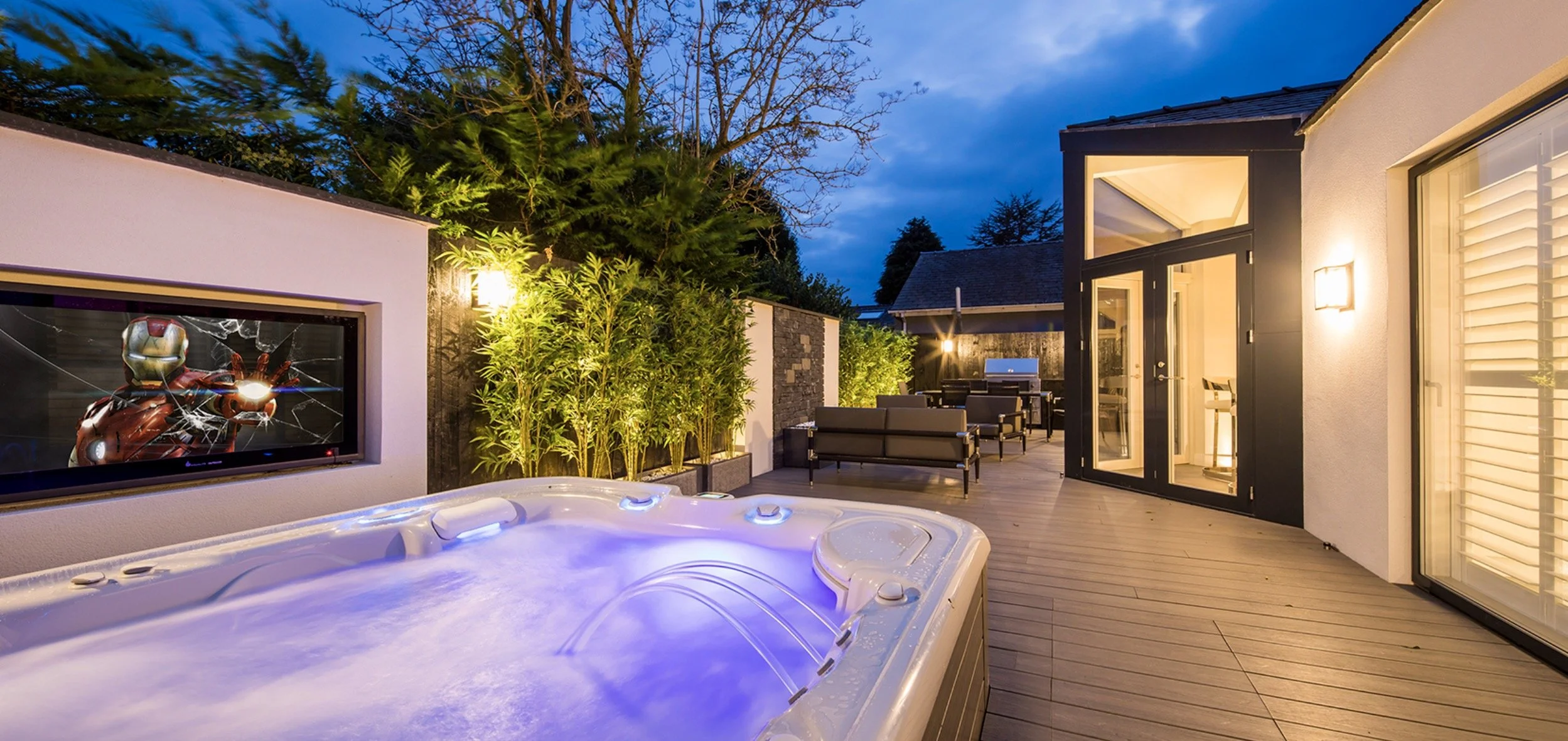
Renovated rear garden
From Sketch to Reality
Every successful landscape begins with an idea.
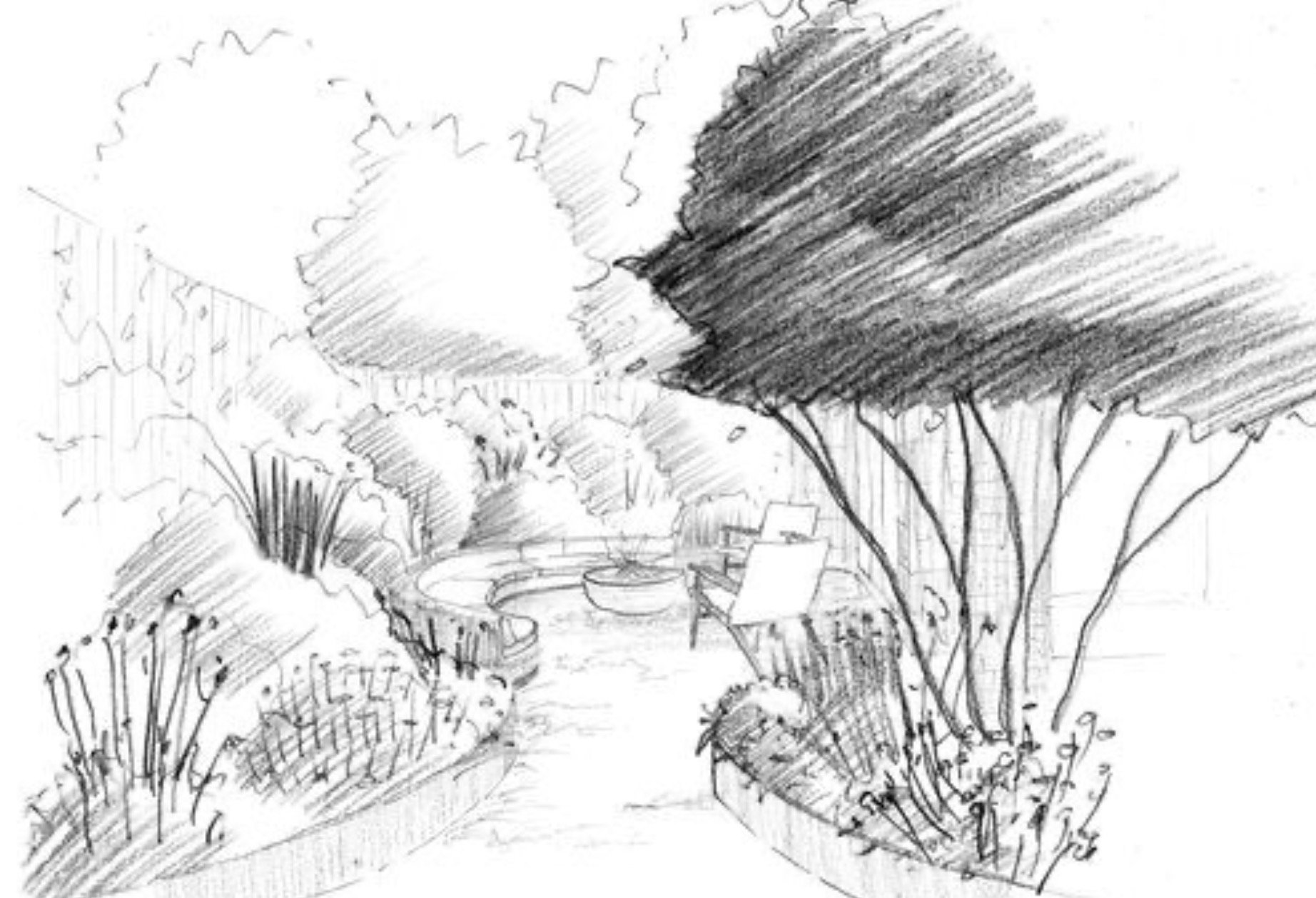
Hand sketches provide the freedom to explore composition, circulation, planting structure and focal points quickly and creatively. At this stage the emphasis is on atmosphere, proportion and the experience of moving through the garden rather than technical detail.
Once the concept has been established, the design is developed into high-quality visualisations that transform abstract ideas into realistic spaces. Photorealistic renders allow clients to understand scale, planting, materials, lighting and spatial relationships long before construction begins, providing confidence that the proposed design reflects their aspirations.
This process bridges the gap between imagination and reality, enabling informed decisions, refining details and ensuring that every element contributes to a cohesive and beautifully resolved landscape.
The result is a clear design journey—from an initial sketch on paper to a fully realised outdoor space that can be visualised, understood and enjoyed before the first plant is placed or the first paving stone is laid.
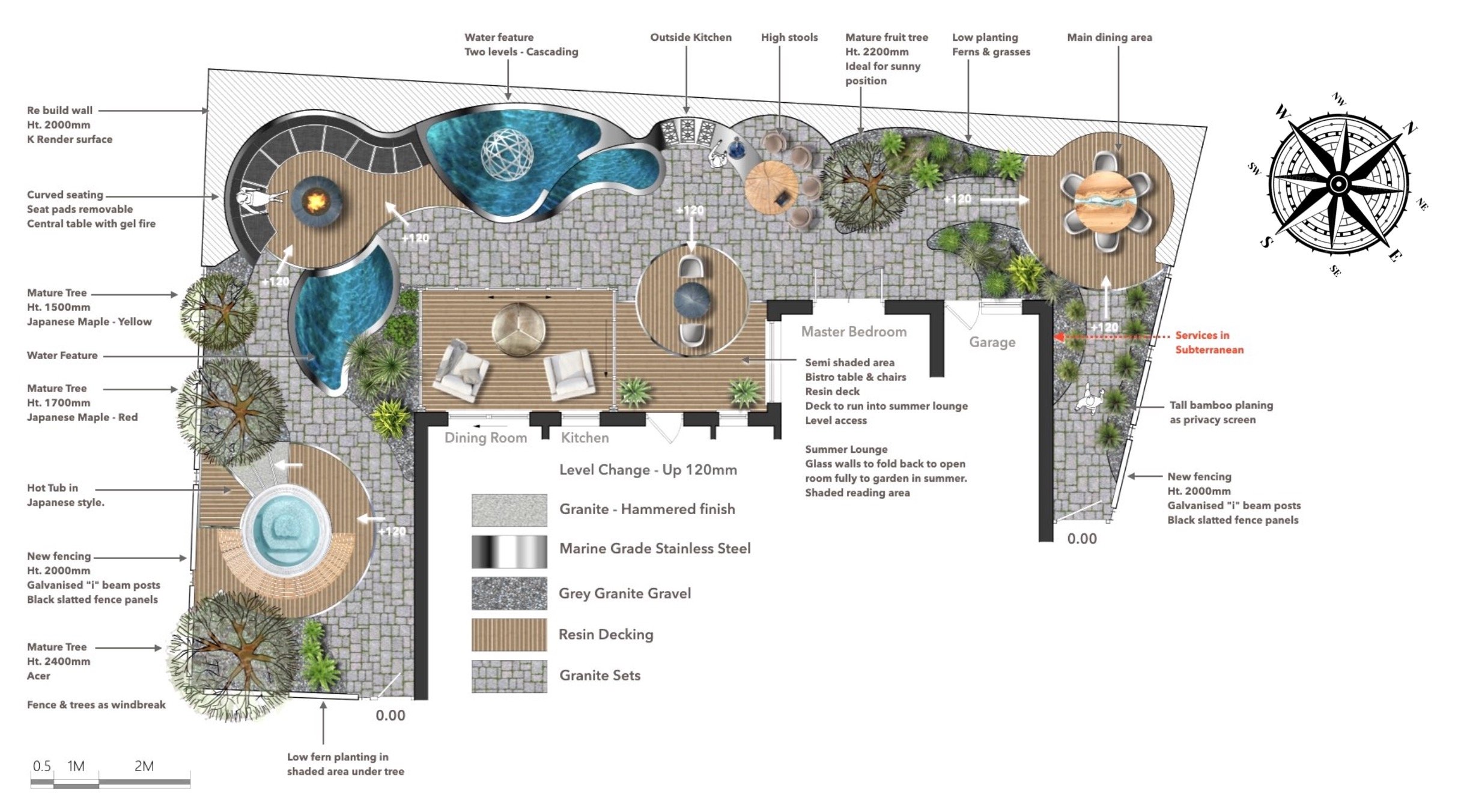
The Importance of Accurate Landscape Planning
A successful landscape is built on a carefully considered and accurately detailed plan. Once the concept has been established, every element is measured, coordinated and refined to ensure the garden functions as a cohesive whole.
A comprehensive landscape plan allows relationships between spaces, circulation routes, planting, levels, lighting, water features and built structures to be fully resolved before construction begins. It ensures that every area connects naturally, creating a garden that feels balanced, intuitive and effortless to move through.
By planning the landscape as a complete composition rather than a collection of individual features, the design develops a strong sense of rhythm, proportion and continuity. Outdoor rooms flow seamlessly from one to another, views are carefully framed, and every destination within the garden has purpose.
Detailed plans also provide contractors with accurate information for construction, reducing uncertainty on site, improving build quality and ensuring the finished garden faithfully reflects the original design vision.
The result is a landscape that is not only visually striking but also practical, functional and enjoyable to experience throughout the year.
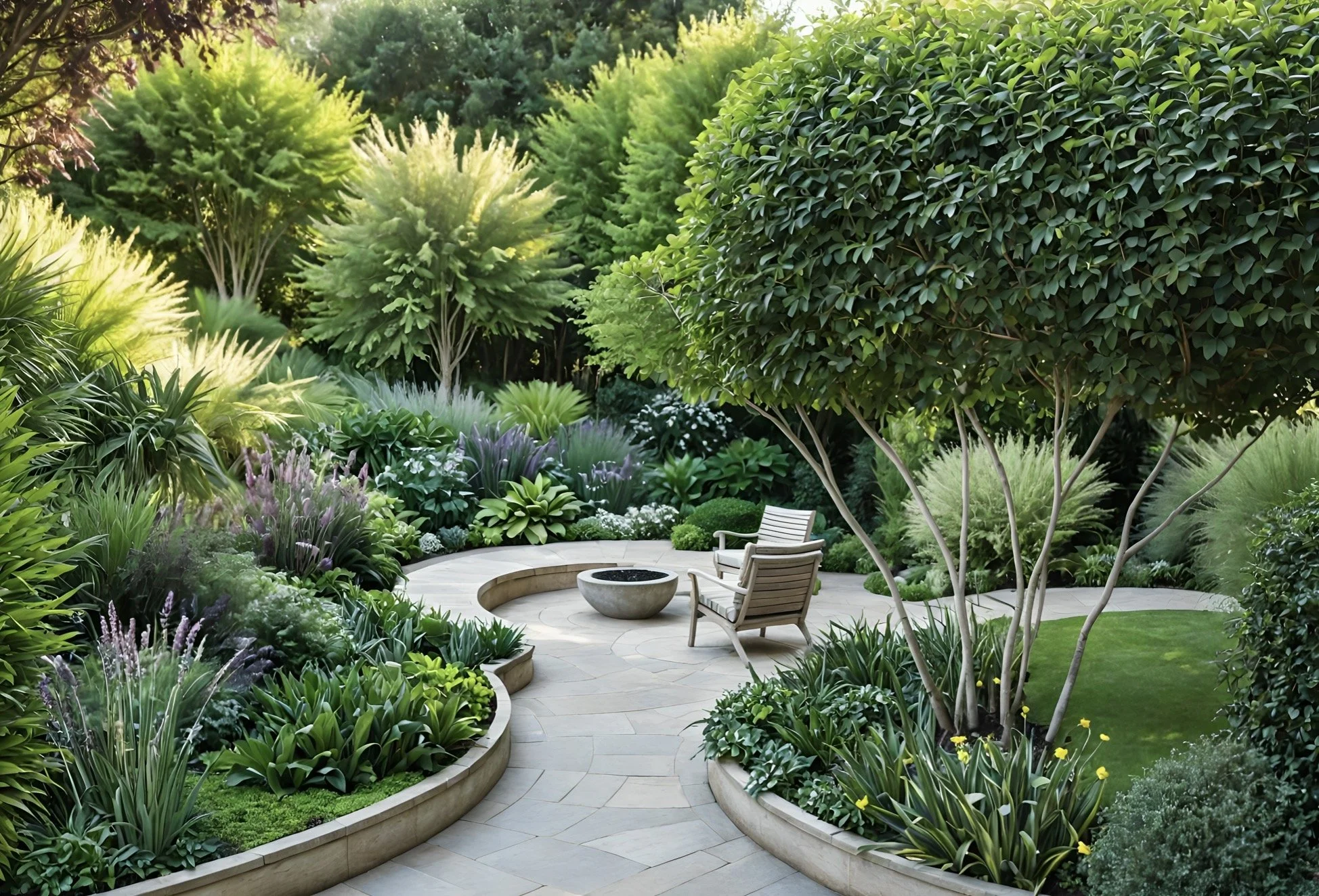
Establishing the Garden Vision
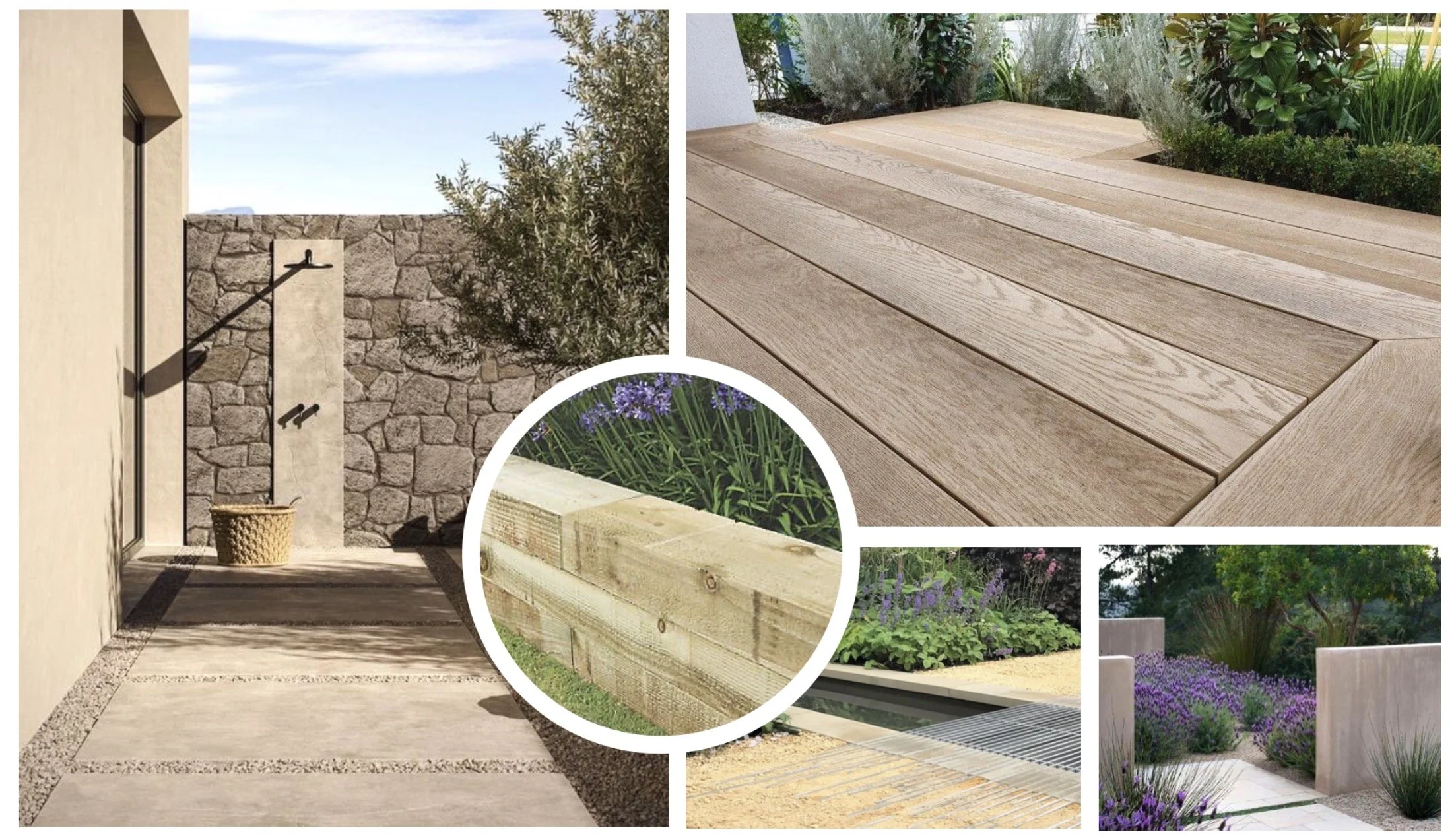
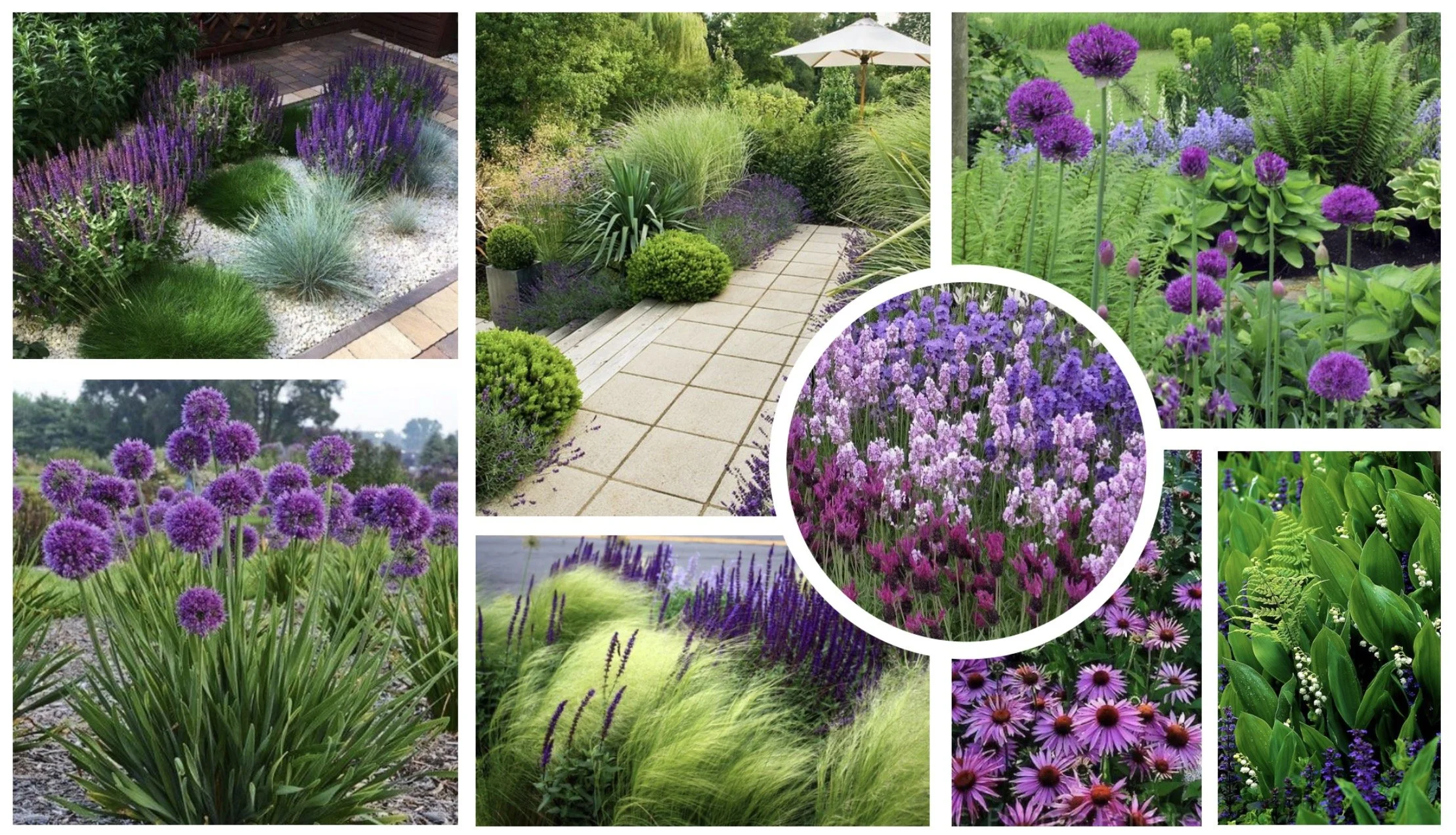
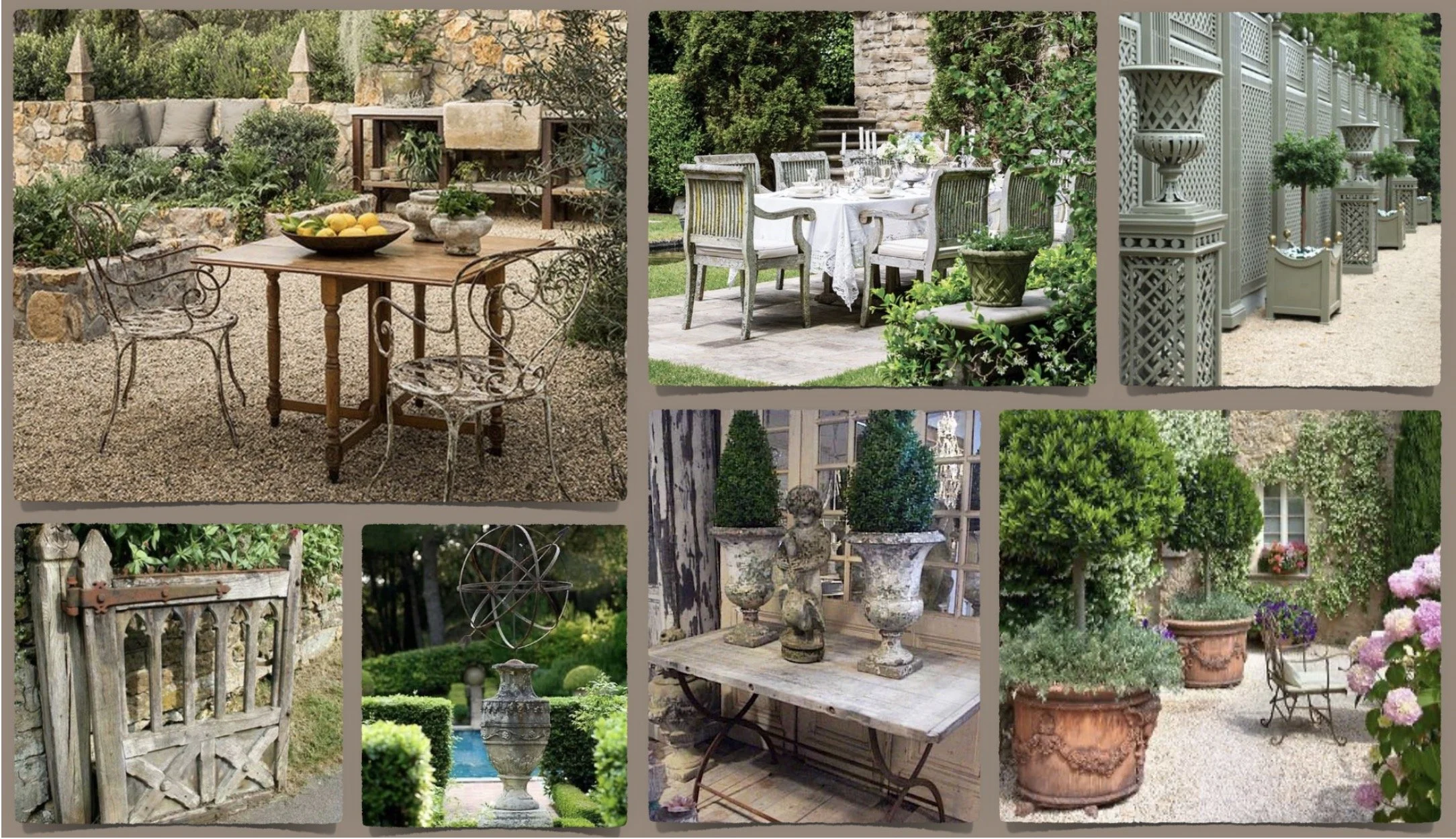
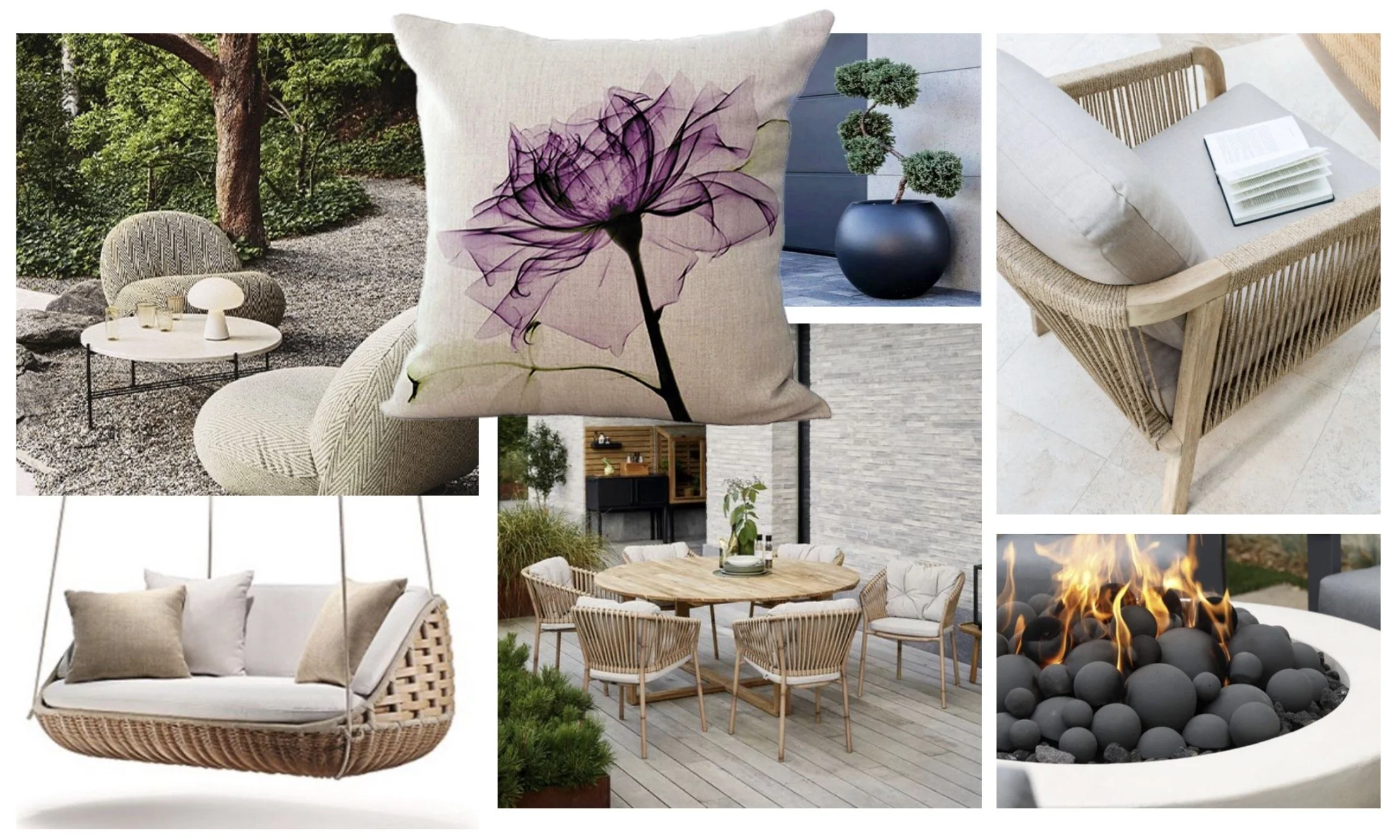
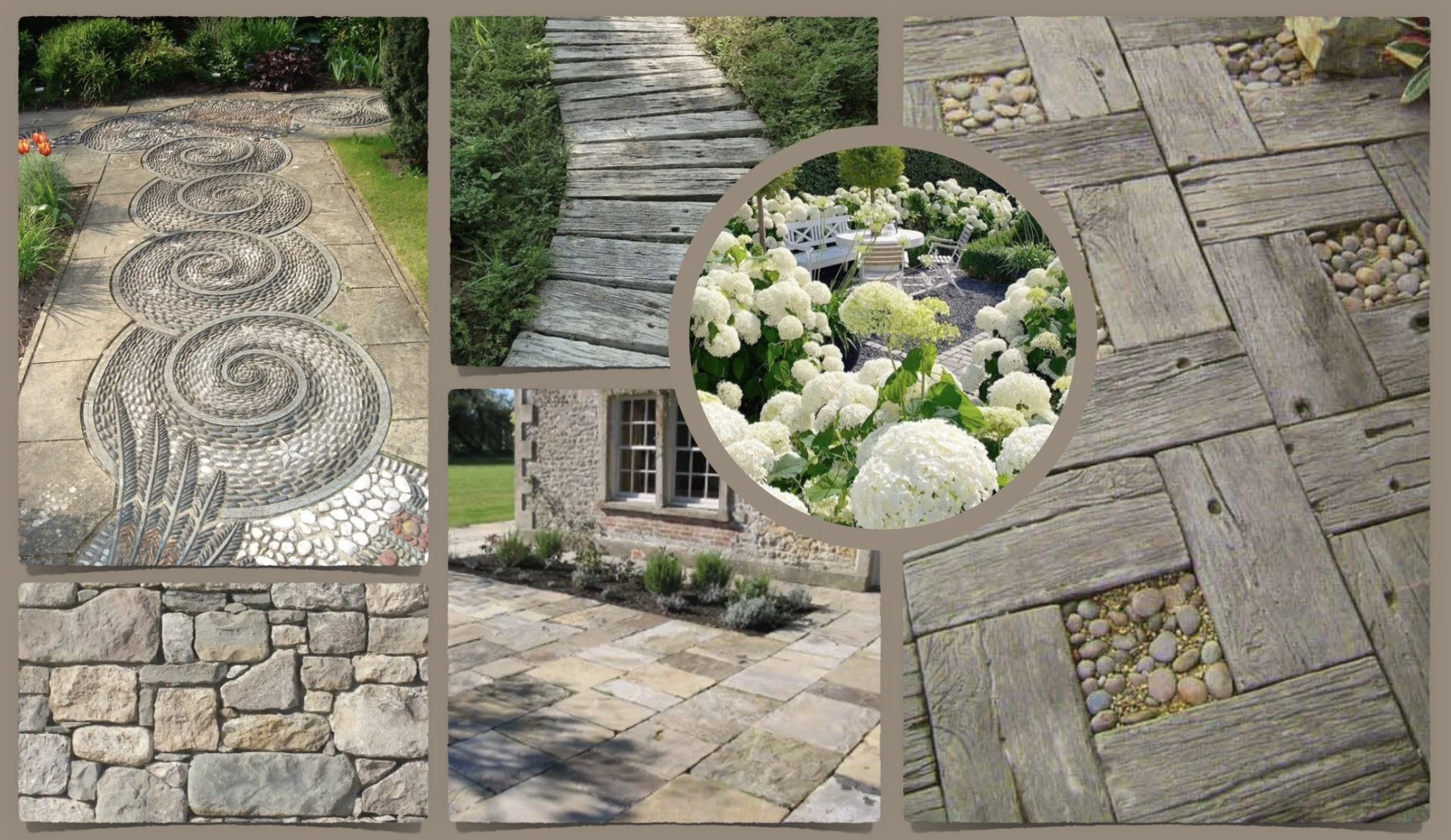
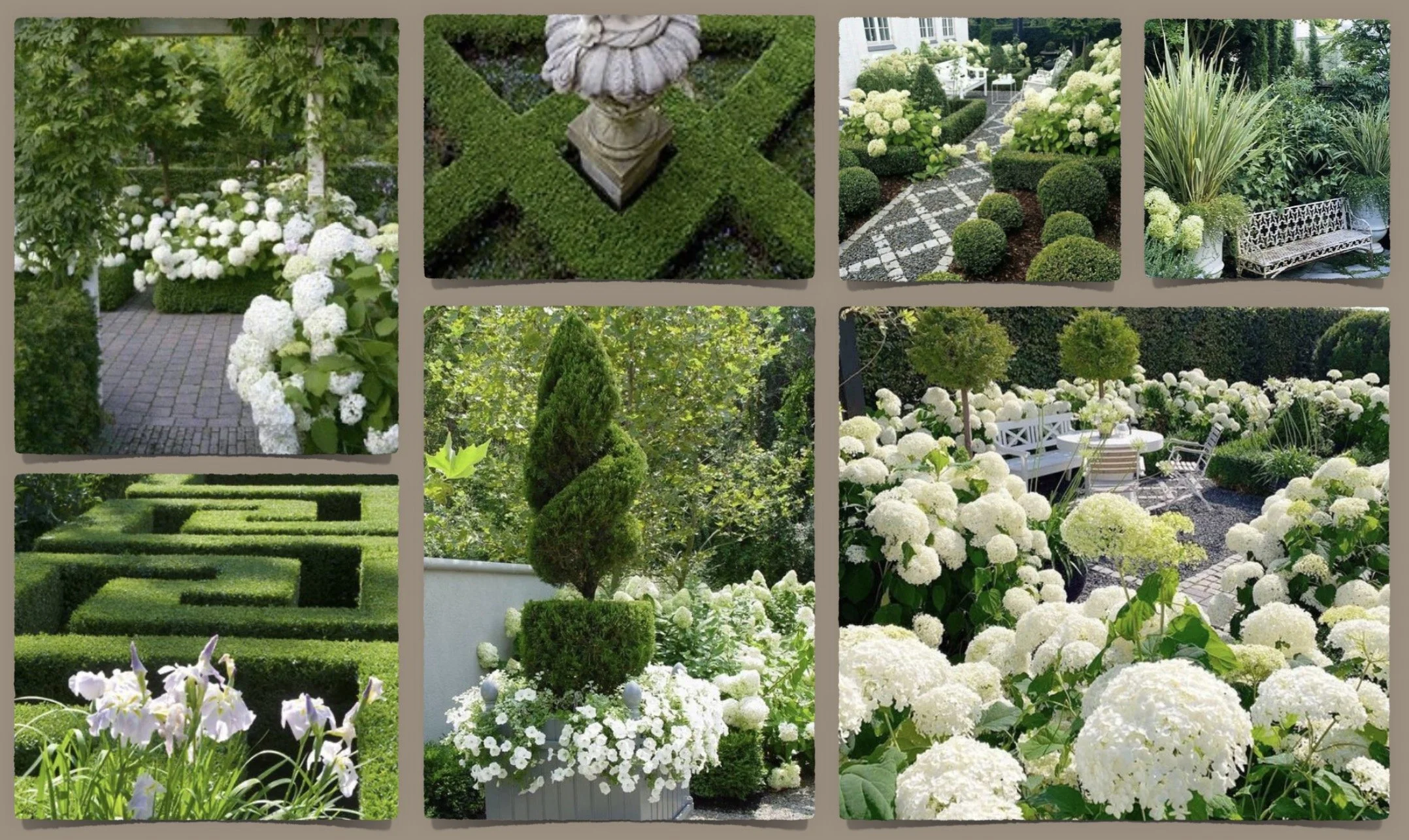
A successful garden begins with a clear vision. Mood boards are an essential part of the design process, helping to establish the overall style, atmosphere and character before detailed planning begins.
By combining inspirational imagery, planting palettes, materials, outdoor furniture, lighting and architectural features, a mood board creates a cohesive design language that guides every subsequent decision. It ensures that hard landscaping, soft planting and decorative elements work together as one unified composition rather than as individual components.
Mood boards also provide an invaluable communication tool between designer and client. They allow ideas to be explored, refined and agreed at an early stage, ensuring the finished garden reflects the client's aspirations and lifestyle while maintaining a strong, consistent aesthetic.
Whether the desired outcome is contemporary, classical, Mediterranean or naturalistic, establishing the visual identity from the outset creates confidence throughout the design process and results in an outdoor space that feels harmonious, timeless and uniquely personal.